Graphics
320×240
- Resolutions
- 320×240 · 256×224 · 640×480
- Palette
- 16,777,216 colors

Also known as N64 · Ultra 64 · Project Reality · Hyundai Comboy 64
278 Nintendo 64 games, all playable free in your browser.
The Nintendo 64 was released in Japan on June 23, 1996, in North America on September 29, 1996 and in Europe and Australia on March 1, 1997. Developed with Silicon Graphics from 1993 and named after its 64-bit processor, it was Nintendo's third major home console and competed with the PlayStation and the Sega Saturn.
TIMELINE
| Year | Games |
|---|---|
| 1996 | 8 |
| 1997 | 31 |
| 1998 | 74 |
| 1999 | 89 |
| 2000 | 63 |
| 2001 | 11 |
| 2002 | 1 |
| 2003 | 1 |
A bar that fades out means the end date is unknown. Fantasy consoles and game engines are still available.
UNDER THE HOOD
320×240
93.8MHz
64-bit CPU on a narrower 32-bit system bus; 125 MIPS
4MB
32.9million
Cartridge
$199
THE STORY
Its architecture pairs an NEC VR4300 CPU with the Reality Coprocessor, which handles graphics and sound, and uses a single pool of 4 MB RDRAM that the Expansion Pak doubles to 8 MB. The controller was the first to include an analog thumbstick as standard, and four controller ports made local multiplayer a feature of the system. Time magazine named it 1996's Machine of the Year.
Nintendo sold 32.93 million units, with most sales in North America. The choice of cartridges over optical discs raised costs and limited storage, which pushed many third-party developers toward the PlayStation, and the library reached 388 games. First-party and Rare titles such as Super Mario 64, GoldenEye 007 and The Legend of Zelda: Ocarina of Time became its best-known games. The console was succeeded by the GameCube in 2001 and discontinued in 2002.
THE LIBRARY
278
games, all playable right in your browser
Release years 1996–2003
<p class="lib-span">120 developers</p>222 games with a known number of players.
THE GAMES
Includes games with a known number of players.
A half-remembered title? Start typing. Mix filters to make it yours.


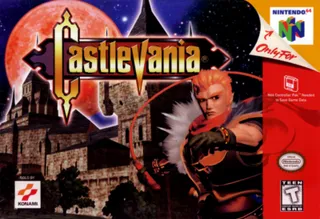


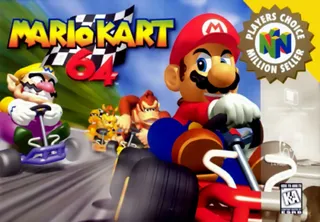
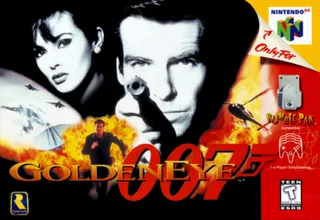
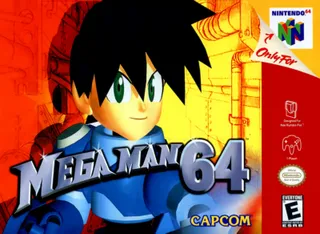
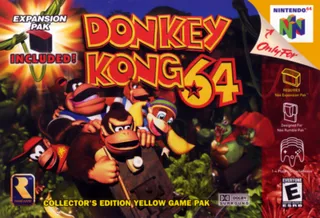
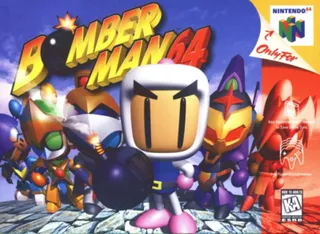
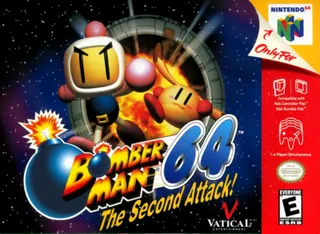
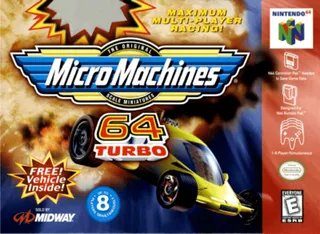
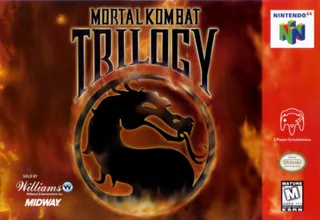
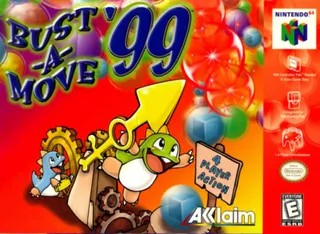
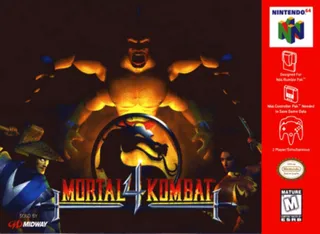
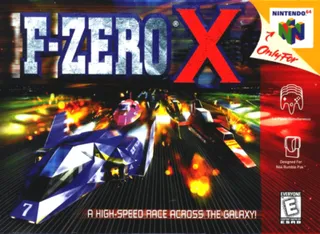
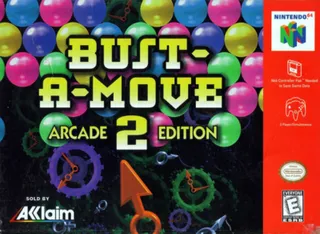
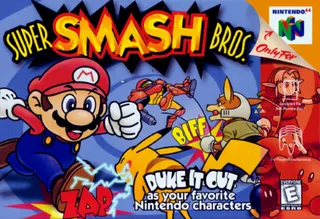
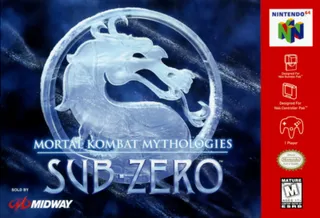
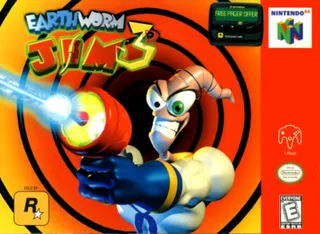
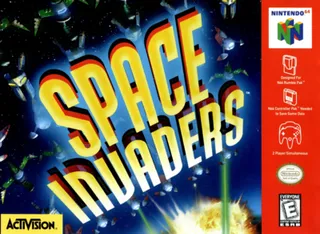
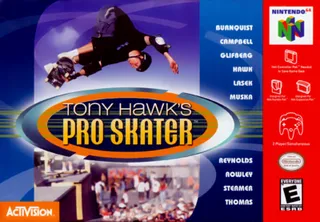

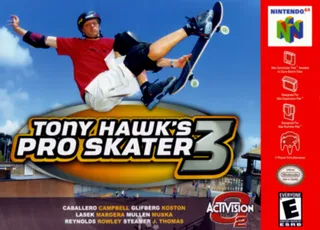
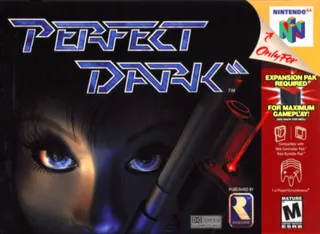

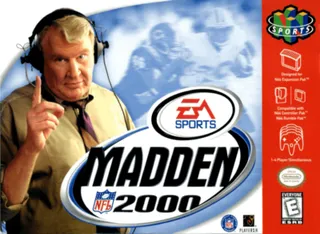
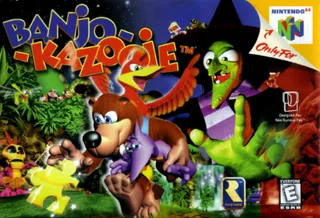
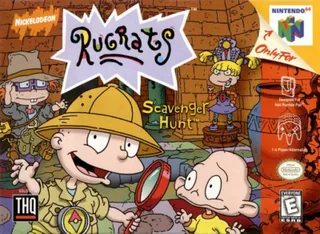
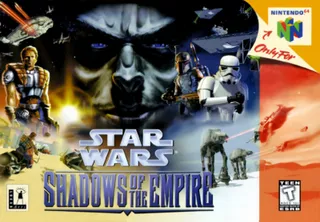
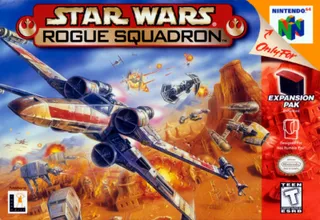
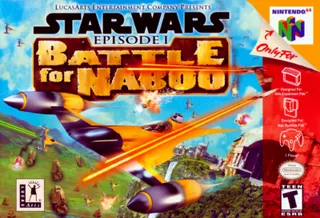
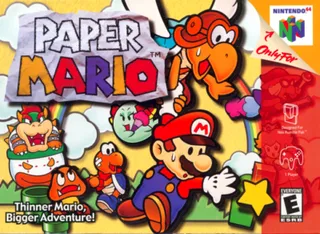
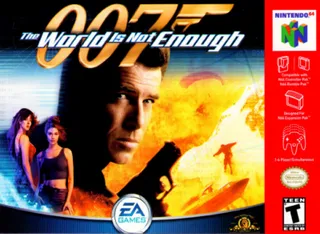
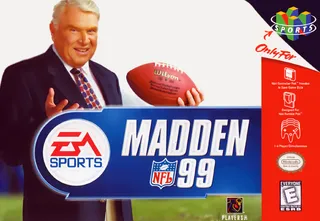
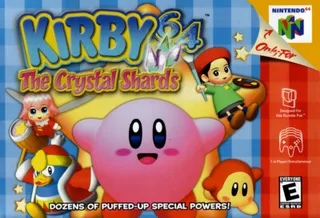
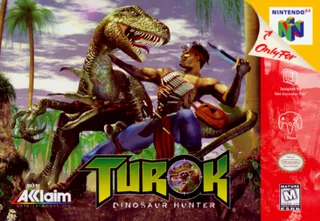
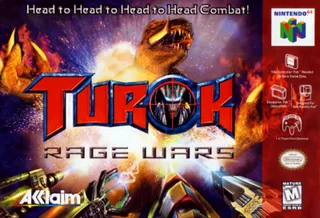
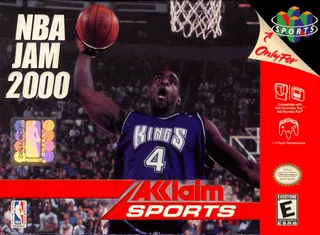
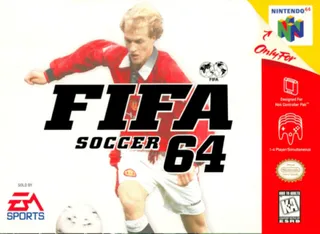
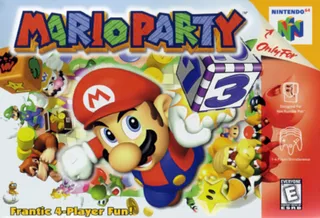
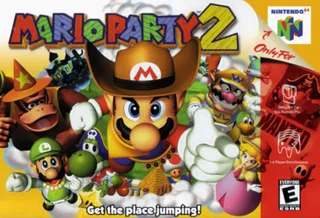
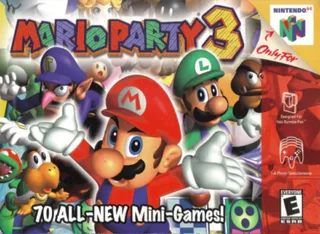
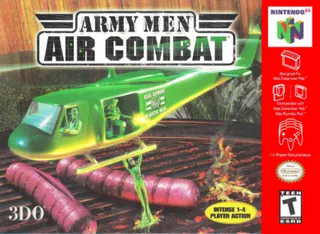

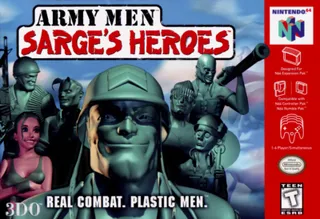
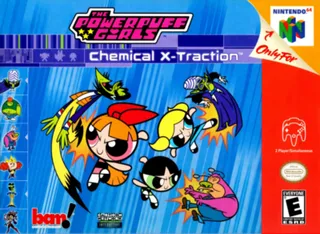

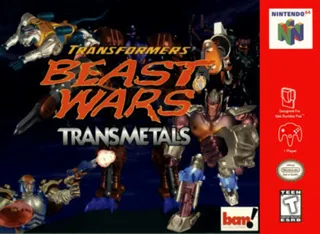
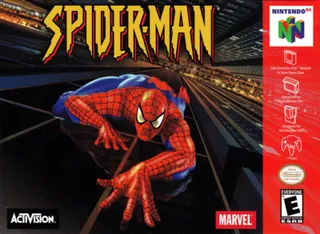
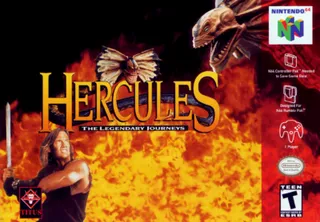
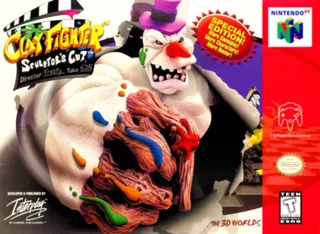
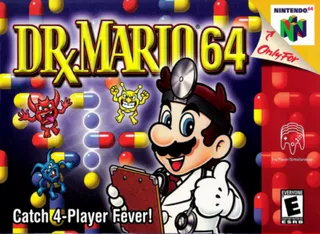
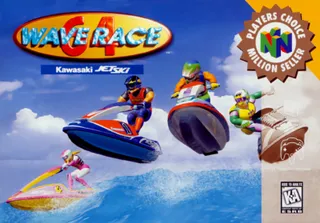
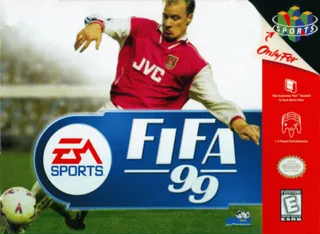
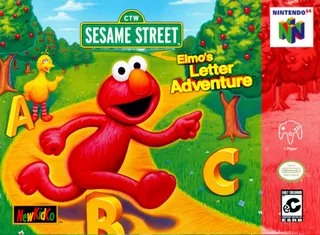
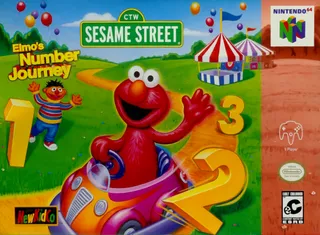
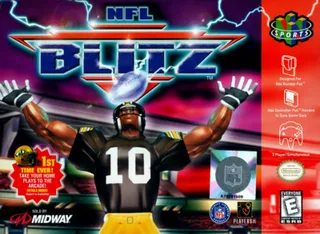
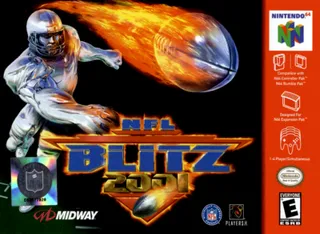
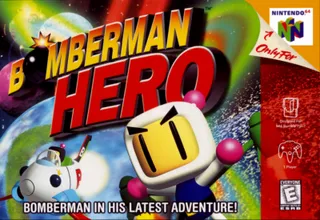
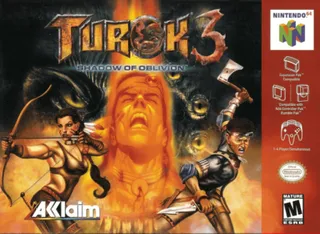
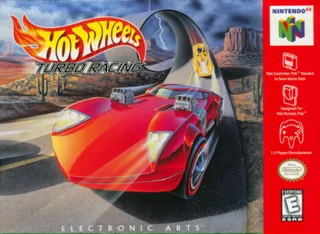
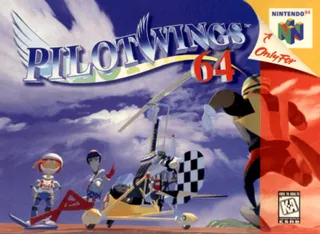
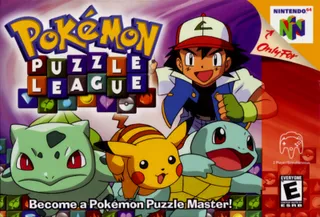
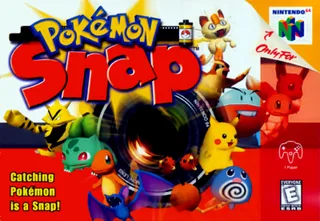

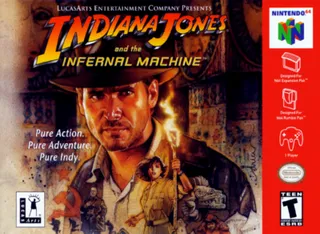
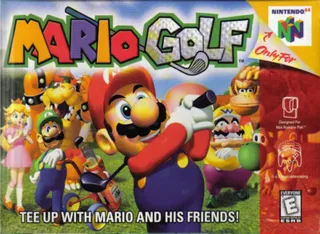
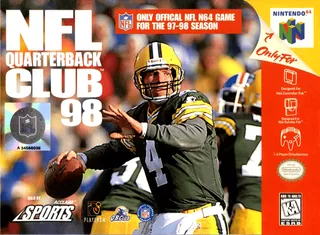

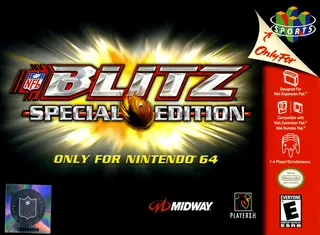
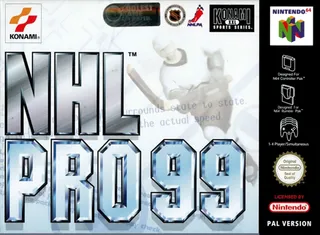
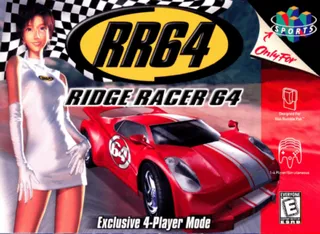
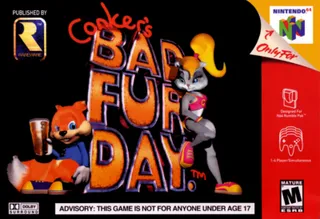
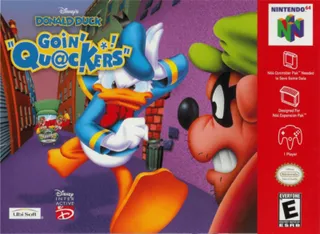
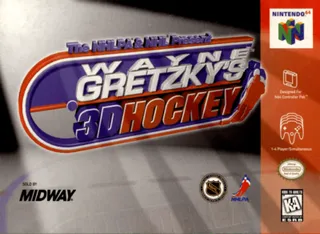
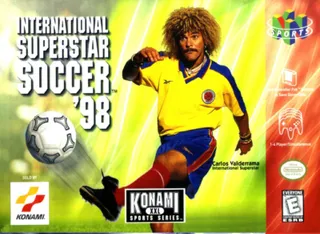
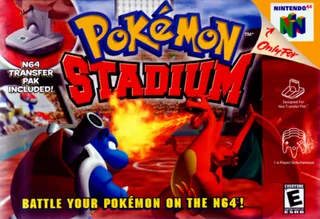
Specifications and history from the sources below (Wikipedia text is available under CC BY-SA 4.0; facts summarized in our own words). Library numbers come from the Back2OldGames catalog.

 Your next idea deserves a home.
Explore hosting