Sega NAOMI

Also known as NAOMI · New Arcade Operation Machine Idea · NAOMI GD-ROM

  • Sega
  • Arcade system

5 Sega NAOMI games, all playable free in your browser.

NAOMI, short for New Arcade Operation Machine Idea, is an arcade system board that Sega introduced in 1998 as a successor to its Model 3 hardware at around a third of that board's price. It shares its architecture with the Dreamcast home console, built around a Hitachi SH-4 processor and PowerVR graphics, but carries more main, video and sound memory, which made close conversions between arcade and home versions practical.

First released · Japan
1998
Games in the library · all playable
5

TIMELINE

Released in 1998

JP1997199819992000200120022003200420052006
  • JPJapan
On sale Games in the library, by release year
Games per release year
NAOMI games in the library by release year
YearGames
20002
20032
20051
Where the NAOMI sits in history: first release to discontinuation, next to the other systems in the library
  1. 32XSega 32X: Nov 1994 – 1996
  2. PS1PlayStation: Dec 3, 1994 – Mar 23, 2006
  3. N64Nintendo 64: Jun 23, 1996 – 2002
  4. CPS-3Capcom CPS-3: Nov 21, 1996 – end not recorded
  5. NAOMISega NAOMI: 1998 – end not recorded
  6. GBCGame Boy Color: Oct 21, 1998 – Mar 31, 2003
  7. NGPCNeo Geo Pocket Color: Mar 19, 1999 – Oct 30, 2001
  8. PS2PlayStation 2: Mar 4, 2000 – Jan 4, 2013
  9. WonderSwanWonderSwan Color: Dec 9, 2000 – 2003
All 36 systems
  1. Atari 2600Atari 2600: Sep 1977 – 1992
  2. SpectrumZX Spectrum: Apr 23, 1982 – 1992
  3. ColecoColecoVision: Aug 1982 – 1985
  4. Atari 5200Atari 5200: Oct 1982 – May 21, 1984
  5. VectrexVectrex: Oct 1982 – Feb 1984
  6. NESNintendo Entertainment System: Jul 15, 1983 – Sep 25, 2003
  7. SG-1000Sega SG-1000: Jul 15, 1983 – Oct 1985
  8. MSXMSX: Oct 21, 1983 – 1993
  9. Amstrad CPCAmstrad CPC: Jun 21, 1984 – 1990
  10. Master SystemSega Master System: Oct 20, 1985 – 1996
  11. Atari 7800Atari 7800: May 1986 – 1992
  12. X68000Sharp X68000: Mar 28, 1987 – end not recorded
  13. PC EnginePC Engine / TurboGrafx-16: Oct 30, 1987 – Dec 16, 1994
  14. CPS-1Capcom CPS-1: May 13, 1988 – May 11, 1995
  15. GenesisSega Genesis / Mega Drive: Oct 29, 1988 – 1997
  16. PCE CDPC Engine CD / TurboGrafx-CD: Dec 4, 1988 – end not recorded
  17. Game BoyGame Boy: Apr 21, 1989 – Mar 31, 2003
  18. LynxAtari Lynx: Sep 1, 1989 – 1995
  19. Neo GeoNeo Geo: Apr 16, 1990 – 2004
  20. Game GearSega Game Gear: Oct 6, 1990 – Apr 30, 1997
  21. SNESSuper Nintendo: Nov 21, 1990 – Sep 25, 2003
  22. Sega CDSega CD / Mega-CD: Dec 12, 1991 – 1996
  23. CPS-2Capcom CPS-2: Sep 10, 1993 – Dec 22, 2003
  24. Neo Geo CDNeo Geo CD: Sep 9, 1994 – 1997
  25. 32XSega 32X: Nov 1994 – 1996
  26. PS1PlayStation: Dec 3, 1994 – Mar 23, 2006
  27. N64Nintendo 64: Jun 23, 1996 – 2002
  28. CPS-3Capcom CPS-3: Nov 21, 1996 – end not recorded
  29. NAOMISega NAOMI: 1998 – end not recorded
  30. GBCGame Boy Color: Oct 21, 1998 – Mar 31, 2003
  31. NGPCNeo Geo Pocket Color: Mar 19, 1999 – Oct 30, 2001
  32. PS2PlayStation 2: Mar 4, 2000 – Jan 4, 2013
  33. WonderSwanWonderSwan Color: Dec 9, 2000 – 2003
  34. GBAGame Boy Advance: Mar 21, 2001 – 2010
  35. OpenBOROpenBOR: 2004 – today
  36. TIC-80TIC-80: Mar 22, 2017 – today

A bar that fades out means the end date is unknown. Fantasy consoles and game engines are still available.

UNDER THE HOOD

Technical specifications

Graphics

Palette
16,777,216 colors
Palette: 16,777,216 colors

Processor

200MHz

CPU
Hitachi SH-4
Core
SuperH SH-4 (RISC)
  • NEC PowerVR2 (CLX2) — graphics processor · 100 MHz
  • Yamaha AICA with ARM7 core — sound processor

Below: CPS-3 25 MHz

200 MHz, 360 MIPS / 1.4 GFLOPS

Memory

32MB

Main RAM
32 MB
Video RAM
16 MB
Sound RAM
8 MB

Below: CPS-2 1 MB

Sound

64channels

Chip
Yamaha AICA

64-channel ADPCM sound processor with a built-in 32-bit ARM7 RISC CPU

Media

ROM board

ROM board
up to 172 MB

Family line

Before
Sega Model 3
This system
Sega NAOMI
After
NAOMI 2

THE STORY

About the NAOMI

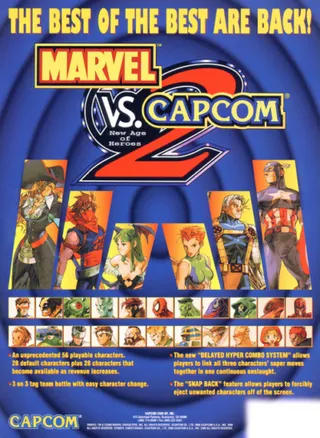
Games normally run from interchangeable ROM boards; with an optional GD-ROM drive and DIMM board, a game is copied into memory at start-up instead. Several boards can be linked for multi-screen cabinets such as F355 Challenge. Sega and licensees including Capcom, Tecmo and Namco released games for it, among them The House of the Dead 2, Crazy Taxi, Power Stone, Dead or Alive 2 and Marvel vs. Capcom 2.

A more powerful NAOMI 2 followed in 2000 and also runs original NAOMI software. The platform stayed in use for new releases well into the 2000s.

  • Hitachi SH-4 CPU at 200 MHz, the same processor and clock as the Dreamcast.
  • 32 MB of main RAM, 16 MB of video RAM and 8 MB of sound RAM.
  • Released at one-third of the price of the Model 3 board.
  • PowerVR2 graphics rated at 3 million polygons per second.
  • The name was reportedly chosen in honor of the model Naomi Campbell.
  • Three or four boards can be linked in multi-screen cabinets such as F355 Challenge.

THE LIBRARY

5 NAOMI games on Back2OldGames

5

games, all playable right in your browser

Release years 2000–2005

<p class="lib-span">4 developers</p>

Players

  • 2 players5 100%

5 games with a known number of players.

THE GAMES

The NAOMI library

Skip filters

Tune your search

Genre

Decade

–

Players

Includes games with a known number of players.

Region

NAOMI ARCHIVETITLE · CREATOR · PUBLISHER
5 games

A half-remembered title? Start typing. Mix filters to make it yours.

Sources

Specifications and history from the sources below (Wikipedia text is available under CC BY-SA 4.0; facts summarized in our own words). Library numbers come from the Back2OldGames catalog.

  1. List of Sega arcade system boards (NAOMI) — Wikipedia
  2. Dreamcast — Wikipedia
  3. NAOMI (アーケードゲーム基板) — Wikipedia (Japanese)
  4. Sega NAOMI — Wikipedia (German)
  5. Naomi (système d'arcade) — Wikipedia (French)
Sponsored by our hosting partner Your next idea deserves a home. Explore hosting
Hosting donated to Back2OldGames