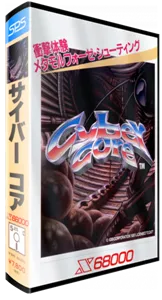
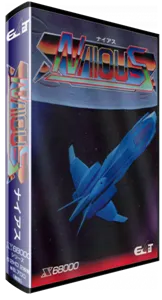
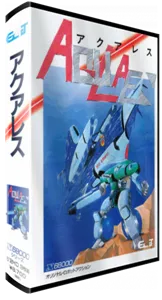
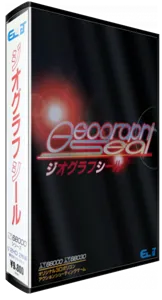
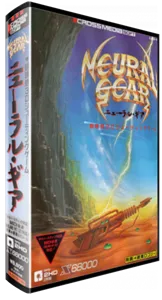
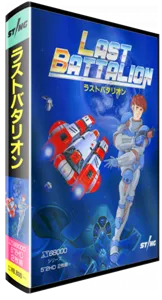
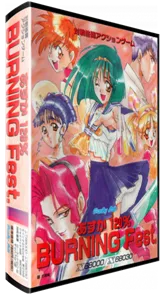
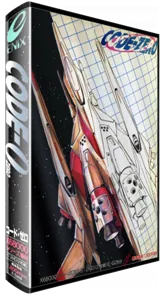
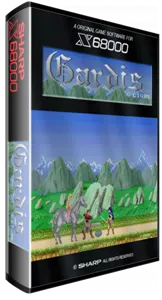
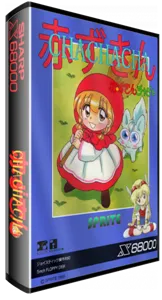
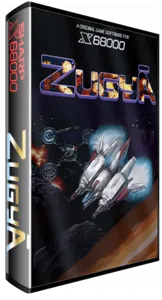
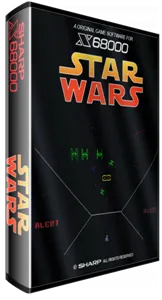
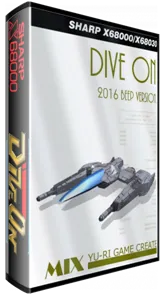
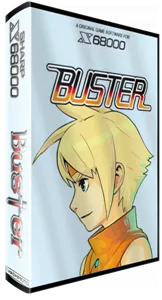
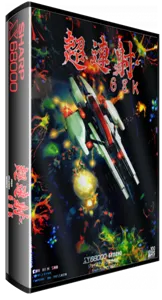
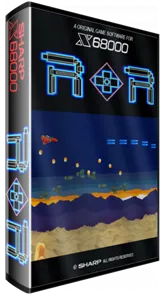
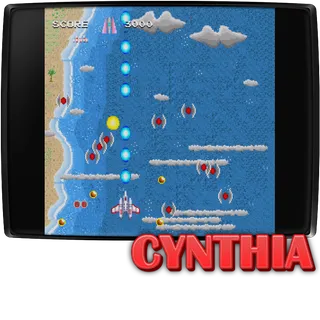
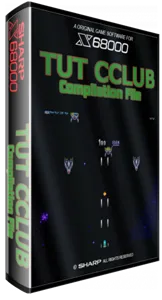
Sharp X68000

Also known as X68000 · X68k

  • Sharp Corporation
  • Home computer

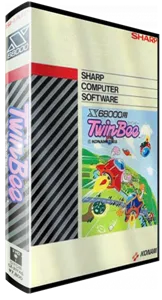
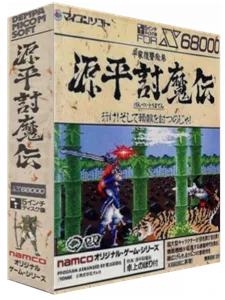
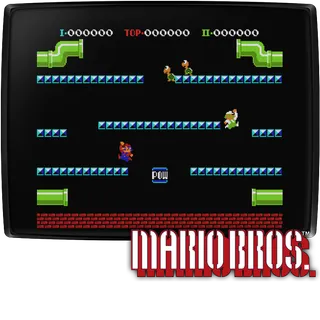
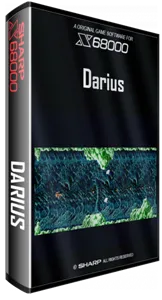
45 Sharp X68000 games, all playable free in your browser.

The X68000 is a home computer from Sharp Corporation, released only in Japan in March 1987. The first model paired a 10 MHz Hitachi HD68HC000, a Motorola 68000 equivalent, with 1 MB of RAM and two 5.25-inch floppy drives in a distinctive twin-tower case, and ran Human68k, an MS-DOS-like operating system developed for Sharp by Hudson Soft.

First released · Japan
1987
CPU
16-bit
Games in the library · all playable
45

TIMELINE

Released in 1987

JP198219841986198819901992199419961998
  • JPJapan
On sale Games in the library, by release year · 1 dated before launch (earlier versions)
Games per release year
X68000 games in the library by release year
YearGames
19831
19873
19885
19891
19903
19918
19923
19933
19945
19955
19961
19982
19991
Where the X68000 sits in history: first release to discontinuation, next to the other systems in the library
  1. MSXMSX: Oct 21, 1983 – 1993
  2. Amstrad CPCAmstrad CPC: Jun 21, 1984 – 1990
  3. Master SystemSega Master System: Oct 20, 1985 – 1996
  4. Atari 7800Atari 7800: May 1986 – 1992
  5. X68000Sharp X68000: Mar 28, 1987 – end not recorded
  6. PC EnginePC Engine / TurboGrafx-16: Oct 30, 1987 – Dec 16, 1994
  7. CPS-1Capcom CPS-1: May 13, 1988 – May 11, 1995
  8. GenesisSega Genesis / Mega Drive: Oct 29, 1988 – 1997
  9. PCE CDPC Engine CD / TurboGrafx-CD: Dec 4, 1988 – end not recorded
All 36 systems
  1. Atari 2600Atari 2600: Sep 1977 – 1992
  2. SpectrumZX Spectrum: Apr 23, 1982 – 1992
  3. ColecoColecoVision: Aug 1982 – 1985
  4. Atari 5200Atari 5200: Oct 1982 – May 21, 1984
  5. VectrexVectrex: Oct 1982 – Feb 1984
  6. NESNintendo Entertainment System: Jul 15, 1983 – Sep 25, 2003
  7. SG-1000Sega SG-1000: Jul 15, 1983 – Oct 1985
  8. MSXMSX: Oct 21, 1983 – 1993
  9. Amstrad CPCAmstrad CPC: Jun 21, 1984 – 1990
  10. Master SystemSega Master System: Oct 20, 1985 – 1996
  11. Atari 7800Atari 7800: May 1986 – 1992
  12. X68000Sharp X68000: Mar 28, 1987 – end not recorded
  13. PC EnginePC Engine / TurboGrafx-16: Oct 30, 1987 – Dec 16, 1994
  14. CPS-1Capcom CPS-1: May 13, 1988 – May 11, 1995
  15. GenesisSega Genesis / Mega Drive: Oct 29, 1988 – 1997
  16. PCE CDPC Engine CD / TurboGrafx-CD: Dec 4, 1988 – end not recorded
  17. Game BoyGame Boy: Apr 21, 1989 – Mar 31, 2003
  18. LynxAtari Lynx: Sep 1, 1989 – 1995
  19. Neo GeoNeo Geo: Apr 16, 1990 – 2004
  20. Game GearSega Game Gear: Oct 6, 1990 – Apr 30, 1997
  21. SNESSuper Nintendo: Nov 21, 1990 – Sep 25, 2003
  22. Sega CDSega CD / Mega-CD: Dec 12, 1991 – 1996
  23. CPS-2Capcom CPS-2: Sep 10, 1993 – Dec 22, 2003
  24. Neo Geo CDNeo Geo CD: Sep 9, 1994 – 1997
  25. 32XSega 32X: Nov 1994 – 1996
  26. PS1PlayStation: Dec 3, 1994 – Mar 23, 2006
  27. N64Nintendo 64: Jun 23, 1996 – 2002
  28. CPS-3Capcom CPS-3: Nov 21, 1996 – end not recorded
  29. NAOMISega NAOMI: 1998 – end not recorded
  30. GBCGame Boy Color: Oct 21, 1998 – Mar 31, 2003
  31. NGPCNeo Geo Pocket Color: Mar 19, 1999 – Oct 30, 2001
  32. PS2PlayStation 2: Mar 4, 2000 – Jan 4, 2013
  33. WonderSwanWonderSwan Color: Dec 9, 2000 – 2003
  34. GBAGame Boy Advance: Mar 21, 2001 – 2010
  35. OpenBOROpenBOR: 2004 – today
  36. TIC-80TIC-80: Mar 22, 2017 – today

A bar that fades out means the end date is unknown. Fantasy consoles and game engines are still available.

UNDER THE HOOD

Technical specifications

Graphics

256×240

Resolutions
256×240 · 256×256 · 512×240 · 512×256 · 512×512 · 640×480 · 768×512 · 1024×1024
Colors on screen
65,536
Palette
65,536 colors
Sprites
128
1024×1024256×240512×240512×512640×480
Drawn to scale
On screen: 65,536 colors · Palette: 65,536 colors

Below: Neo Geo CD 3,840 colors

Processor

10MHz

CPU
Hitachi HD68HC000
Core
Motorola 68000
Word size
16-bit
  • Oki MSM80C51 — sub-CPU (microcontroller)
  • CYNTHIA Jr/Sr, VINAS, VSOP, RESERVE (Sharp-Hudson custom) — sprite, CRT and video controllers (original model)

Below: GBC 8.39 MHz · Above: Neo Geo 12 MHz

Original 1987 model. XVI (1991) and Compact (1992): 16 MHz; X68030 (1993): 25 MHz.

Memory

1MB

Main RAM
1 MB
Video RAM
1 MB
SRAM
16 KB
ROM (128 KB BIOS + 768 KB character generator)
1 MB

Below: GBA 288 KB · Above: Neo Geo CD 2 MB

Sound

9channels

Chip
Yamaha YM2151 + Oki MSM6258

Eight FM synthesis channels (YM2151) plus one 4-bit ADPCM mono channel at up to 15.6 kHz (MSM6258), mixed to stereo through a Yamaha YM3012 DAC

Sales

130,000

Scope
Japan, by September 1991

Media

Floppy disk

Floppy disk
up to 1.2 MB
Floppy disk
up to 1.44 MB

Launch price

¥369,000

Japan
¥369,000

Family line

Before
Sharp X1
This system
Sharp X68000

THE STORY

About the X68000

Its custom graphics chipset provides hardware scrolling, tiled backgrounds and 128 sprites, with up to 65,536 colors on screen, an approach close to late-1980s arcade boards. Sound comes from a Yamaha YM2151 with eight FM channels and an Oki MSM6258 ADPCM channel. These capabilities made video games a major use of the machine, and its monitor's support for 15, 24 and 31 kHz scan rates also suited arcade boards.

The X68000 succeeded Sharp's X1 series. Later models raised the clock to 16 MHz with the XVI in 1991, and the X68030 series of 1993 moved to a 25 MHz 68EC030 processor. By September 1991 about 130,000 units had been sold.

  • Up to 65,536 colors on screen at 512 × 512, with resolutions up to 1024 × 1024.
  • 128 hardware sprites (32 per scan line), extendable to 512 with raster-interrupt techniques.
  • 1,056 KB of VRAM split between graphics, text and sprites.
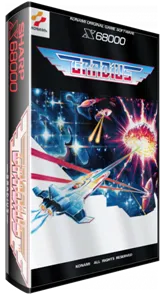
  • Launched at 369,000 yen with Gradius bundled.
  • Capcom's Street Fighter II for the X68000 shipped with an adapter for Super Famicom or six-button Mega Drive controllers.

THE LIBRARY

45 X68000 games on Back2OldGames

45

games, all playable right in your browser

Release years 1983–1999

<p class="lib-span">21 developers</p>

Players

  • 1 player19 56%
  • 2 players14 41%
  • 3–4 players1 3%

34 games with a known number of players.

THE GAMES

The X68000 library

Skip filters

Tune your search

Genre

Decade

–

Players

Includes games with a known number of players.

Region

X68000 ARCHIVETITLE · CREATOR · PUBLISHER
45 games

A half-remembered title? Start typing. Mix filters to make it yours.
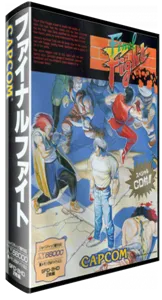
Sources

Specifications and history from the sources below (Wikipedia text is available under CC BY-SA 4.0; facts summarized in our own words). Library numbers come from the Back2OldGames catalog.
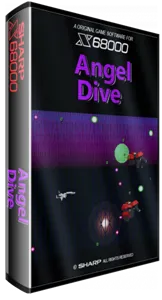


  1. X68000 — Wikipedia
  2. X68000 — Wikipedia (Japanese)
Sponsored by our hosting partner Your next idea deserves a home. Explore hosting
Hosting donated to Back2OldGames