Graphics
160×240
- Resolutions
- 160×240 · 320×240 · 160×288 · 320×288
- Colors on screen
- 25
- Palette
- 256 colors
- Sprites
- 100

58 Atari 7800 games, all playable free in your browser.
The Atari 7800 ProSystem is a home video game console designed by General Computer Corporation for Atari, Inc. and announced on May 21, 1984. After Warner sold Atari's consumer division to Jack Tramiel in July 1984 the launch was shelved; Atari Corporation released the console nationwide in the United States in May 1986 for $79.95, with Pole Position II as the pack-in game.
TIMELINE
| Year | Games |
|---|---|
| 1985 | 1 |
| 1986 | 2 |
| 1987 | 14 |
| 1988 | 19 |
| 1989 | 13 |
| 1990 | 9 |
A bar that fades out means the end date is unknown. Fantasy consoles and game engines are still available.
UNDER THE HOOD
160×240
1.79MHz
Below: Vectrex 1.5 MHz · Above: WonderSwan 3.07 MHz
1.79 MHz NTSC / 1.77 MHz PAL; drops to 1.19 MHz (NTSC) when the TIA or 6532 RIOT is accessed and in 2600 mode
4KB
2channels
Two-channel TIA sound as in the 2600; Ballblazer, Commando and Tiger-Heli carry a POKEY chip in the cartridge
1million+
Cartridge
$79.95
THE STORY
Its MARIA graphics chip treats every on-screen element as a sprite described in display lists, an approach closer to early-1980s arcade boards than to other consoles of its time. The 7800 runs almost all Atari 2600 cartridges, making it the first console with backward compatibility, and reuses the 2600's TIA chip for two-channel sound. Cartridges had to be digitally signed by Atari to run in 7800 mode, a measure intended to keep out low-quality games.
Atari reported more than one million consoles sold by June 1988. The 7800 reached the United Kingdom in September 1989, and Atari ended production and support in 1992.
THE LIBRARY
58
games, all playable right in your browser
Release years 1985–1990
<p class="lib-span">32 developers</p>36 games with a known number of players.
THE GAMES
Includes games with a known number of players.
A half-remembered title? Start typing. Mix filters to make it yours.
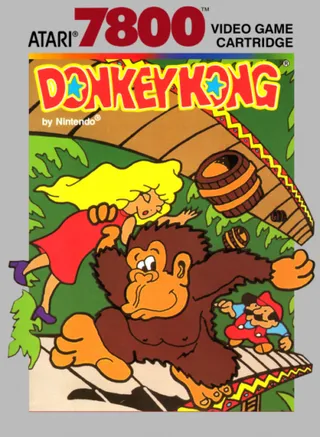
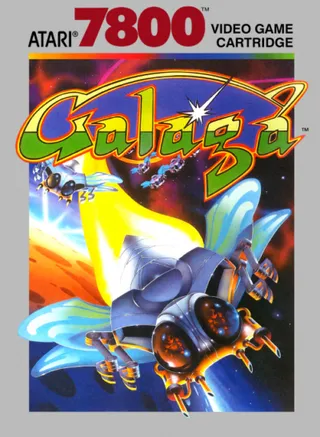
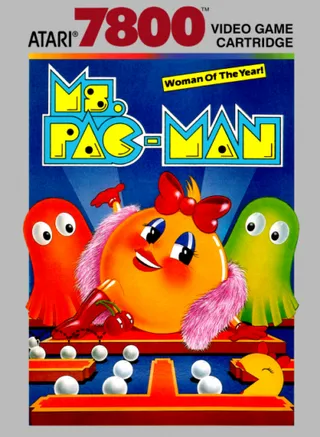
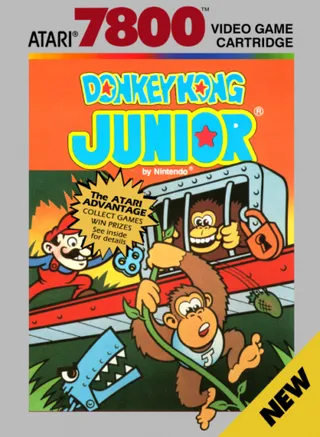
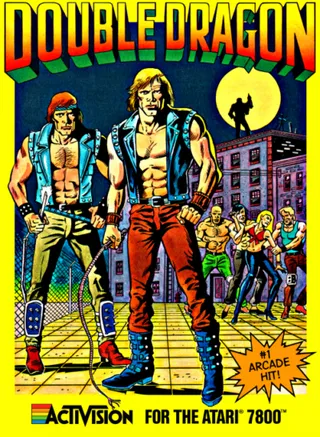
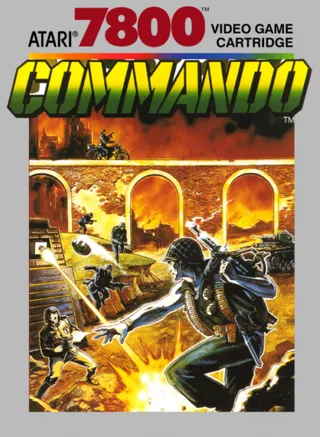
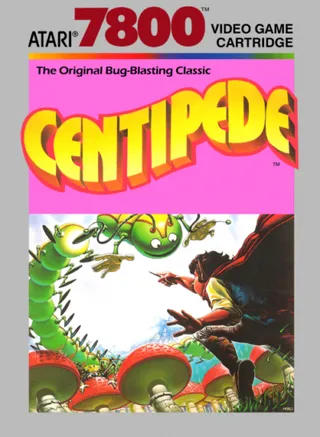
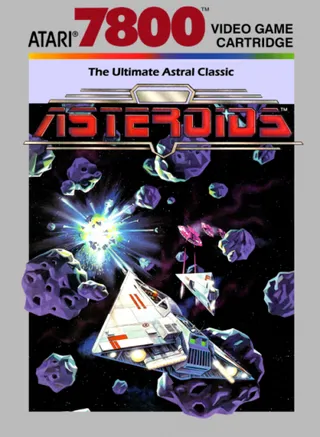
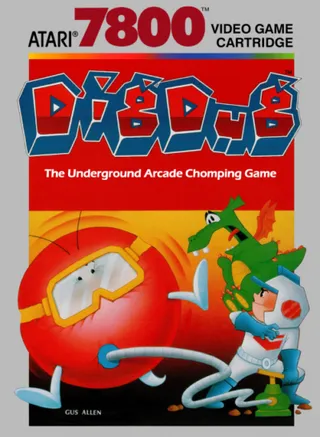
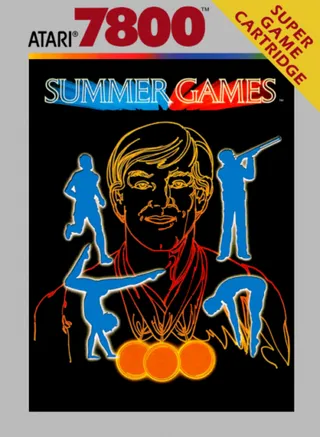
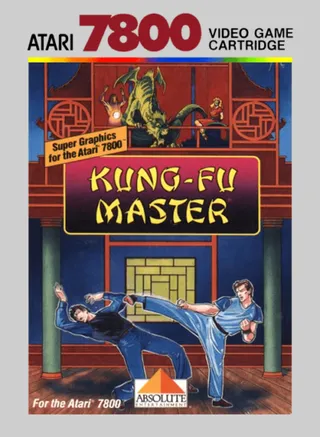
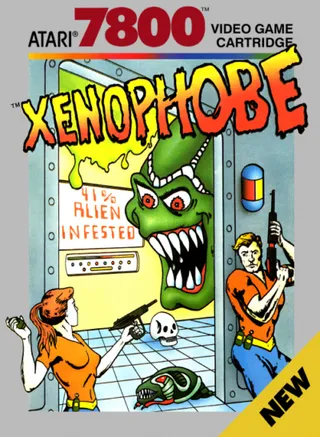
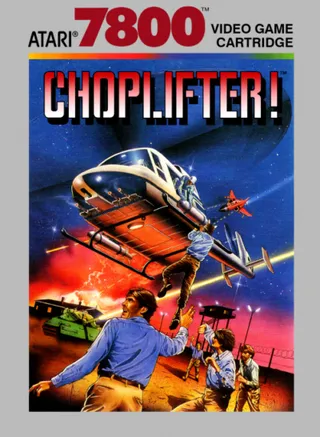
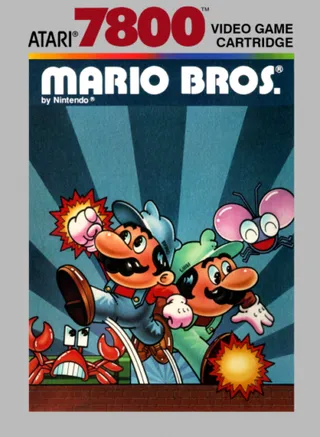
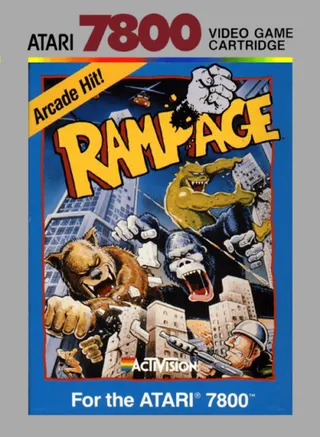
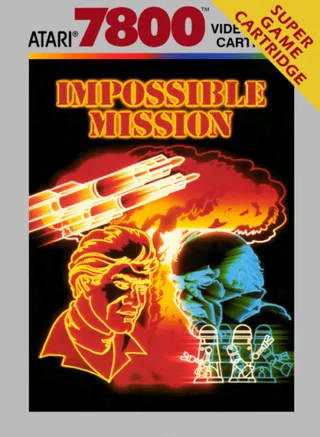
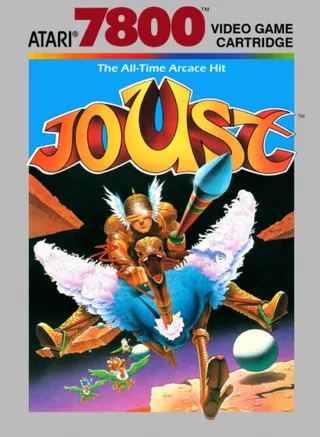
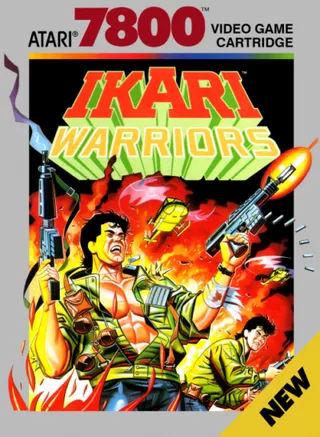
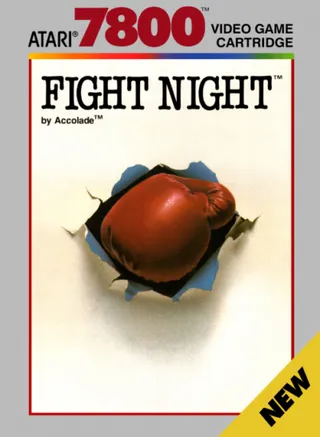
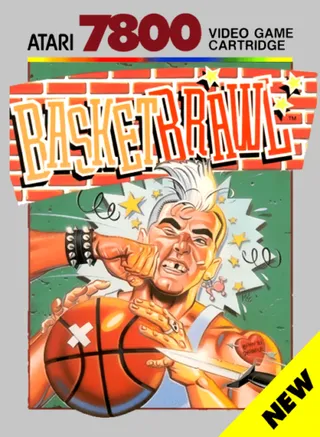
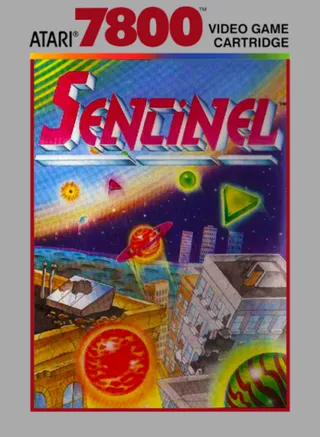
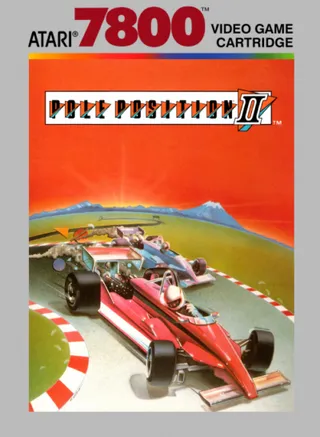
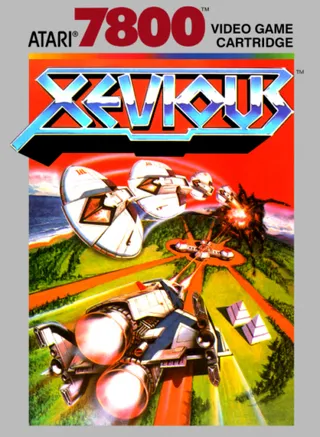
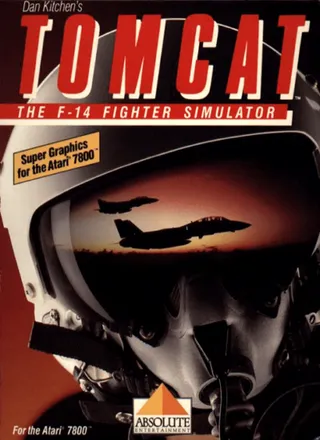
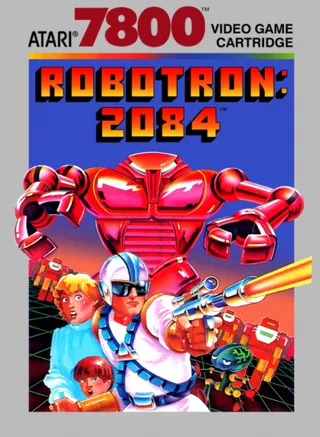
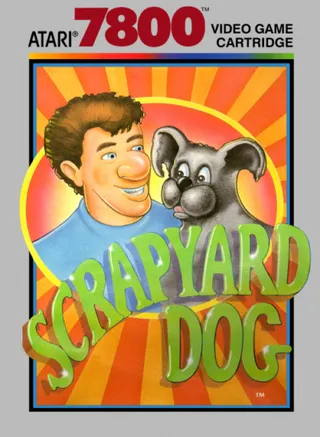
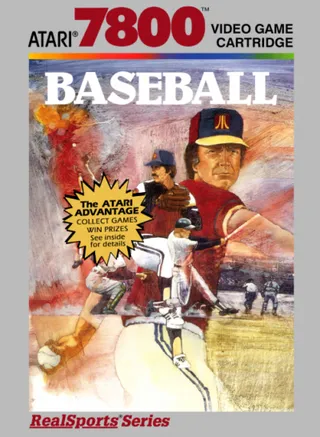
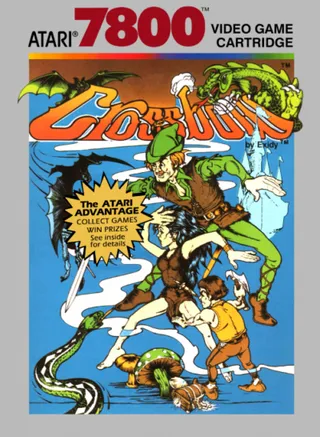
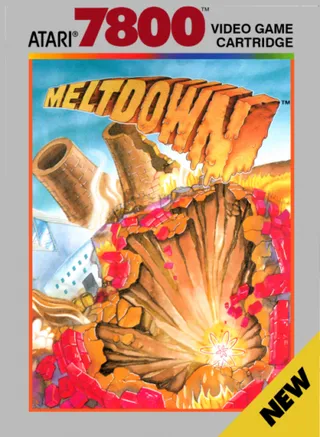
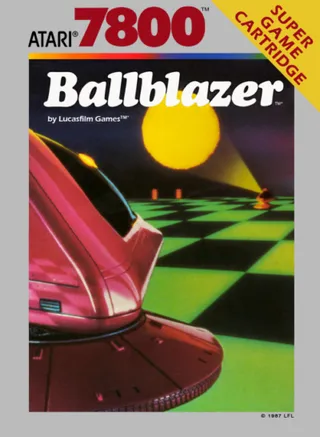
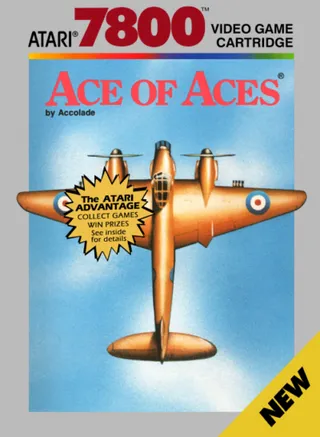
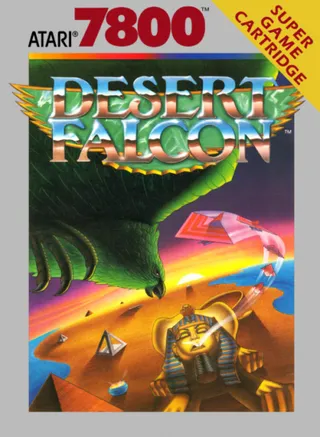
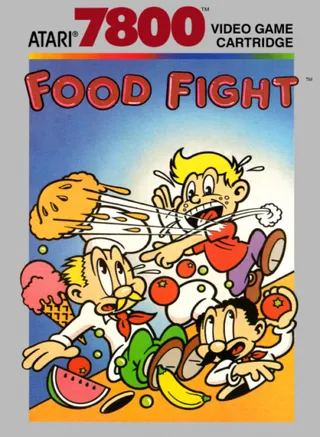

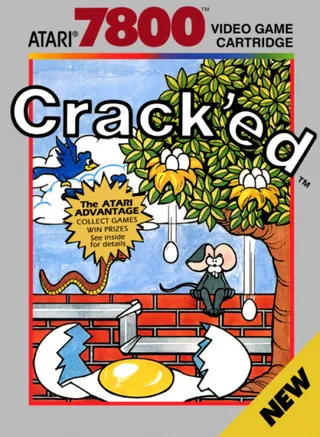
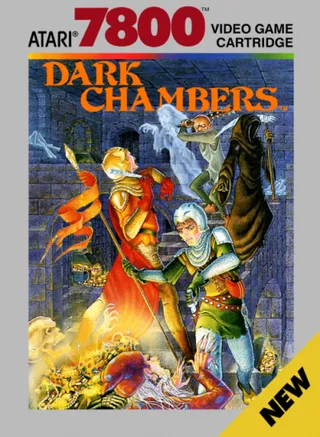
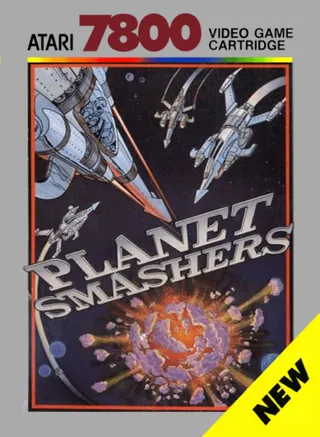
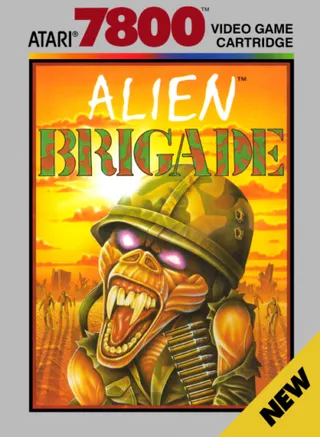

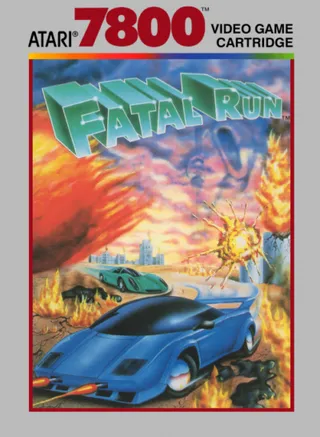
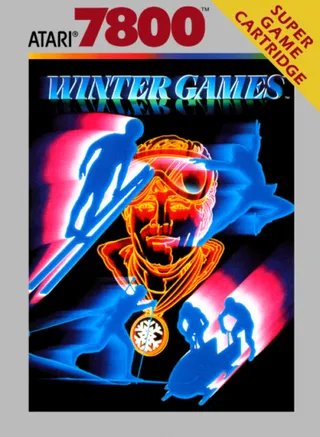
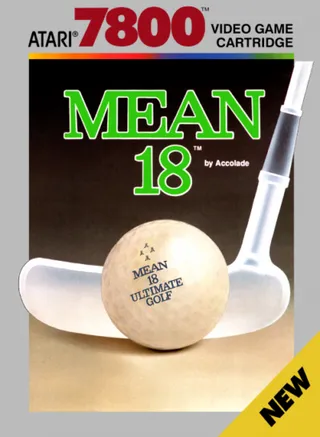
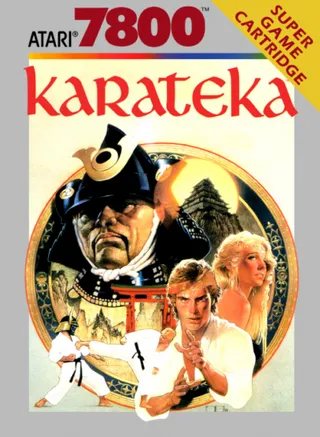
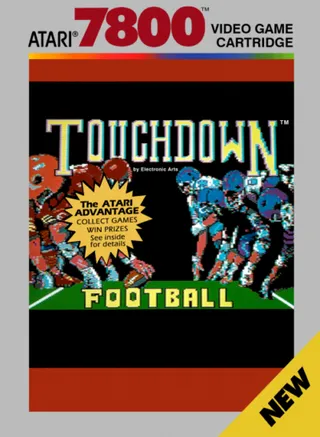

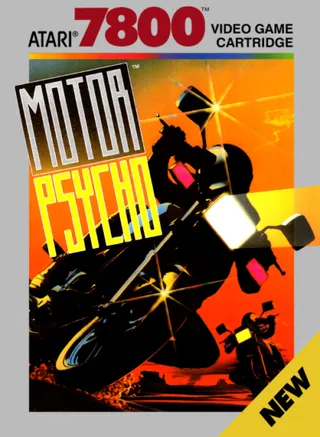

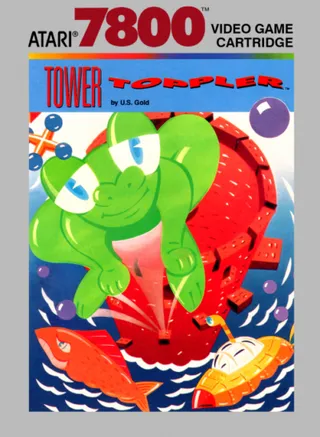
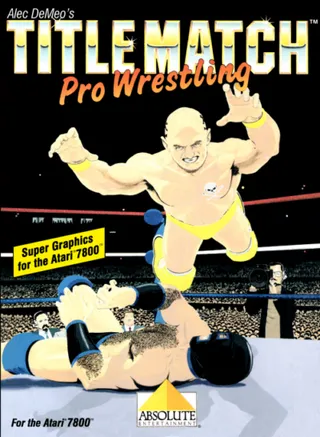
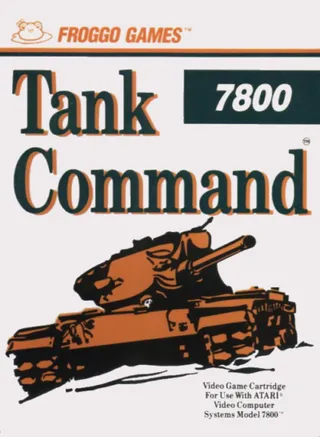
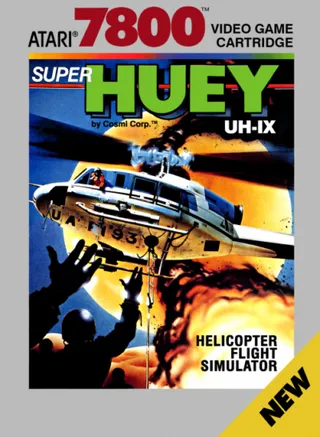
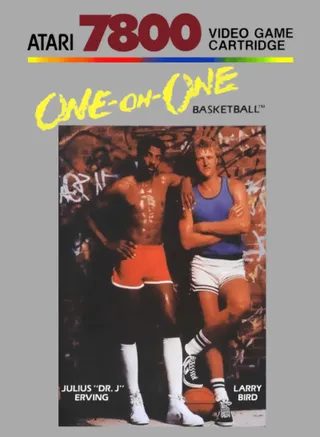

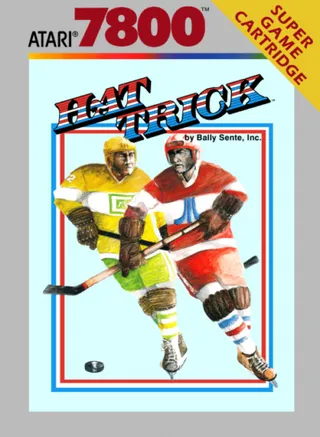
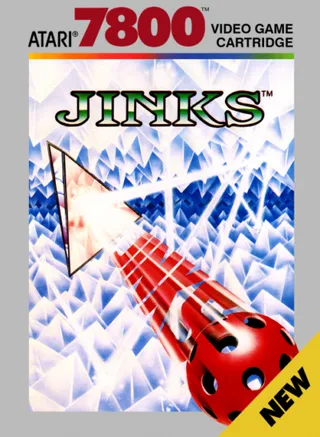

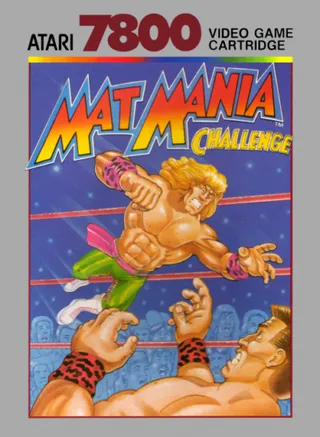
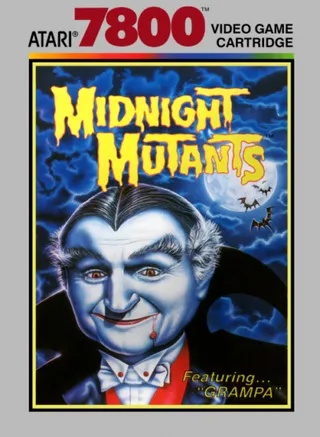
Specifications and history from the sources below (Wikipedia text is available under CC BY-SA 4.0; facts summarized in our own words). Library numbers come from the Back2OldGames catalog.

 Your next idea deserves a home.
Explore hosting