Graphics
160×144
- Colors on screen
- 32
- Palette
- 4,096 colors
- Sprites
- 64
- Screen
- 3.2″ backlit color LCD

Also known as Game Gear
306 Sega Game Gear games, all playable free in your browser.
The Game Gear was Sega's first handheld console. Developed under the codename Project Mercury, it went on sale in Japan on October 6, 1990, in North America and Europe in April 1991 and in Australia in 1992. Its hardware is largely derived from the Master System, so games from that console were easy to convert and could also be played through the Master Gear adapter.
TIMELINE
| Year | Games |
|---|---|
| 1990 | 3 |
| 1991 | 37 |
| 1992 | 38 |
| 1993 | 66 |
| 1994 | 86 |
| 1995 | 56 |
| 1996 | 15 |
| 1997 | 1 |
| 2006 | 1 |
| 2018 | 1 |
| 2020 | 1 |
A bar that fades out means the end date is unknown. Fantasy consoles and game engines are still available.
UNDER THE HOOD
160×144
3.58MHz
Below: Spectrum 3.5 MHz · Above: Amstrad CPC 4 MHz
8KB
Below: Atari 7800 4 KB · Above: NGPC 12 KB
4channels
3 tone channels and 1 noise channel; mono speaker, stereo through headphones
14million
Below: Master System 13 million · Above: Atari 2600 30 million
Cartridge
¥19,800
5h
THE STORY
The backlit color screen distinguished it from the monochrome Game Boy, and Sega marketed it as the more grown-up alternative. The trade-off was battery life: six AA batteries lasted roughly three to five hours, a frequent point of criticism. Accessories included a TV Tuner that turned the unit into a portable television, and the library grew to more than 300 games.
About 14 million units were sold. Sega ended support in 1997 after releasing the Genesis Nomad, and Majesco sold a licensed budget re-release from 2000 to 2002.
THE LIBRARY
306
games, all playable right in your browser
Release years 1990–2020
<p class="lib-span">119 developers</p>130 games with a known number of players.
THE GAMES
Includes games with a known number of players.
A half-remembered title? Start typing. Mix filters to make it yours.
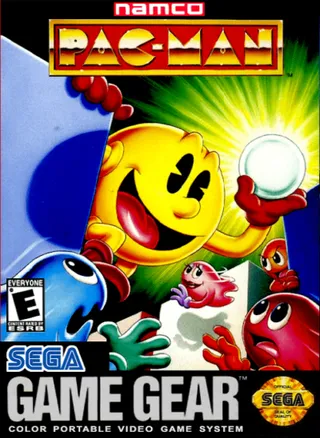
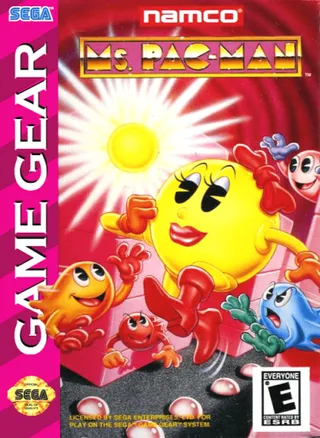



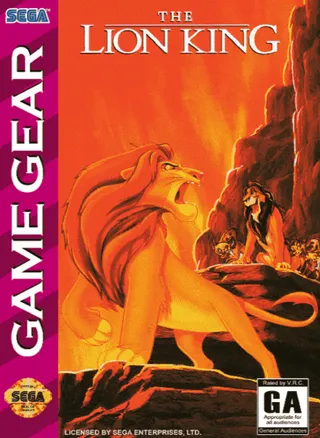

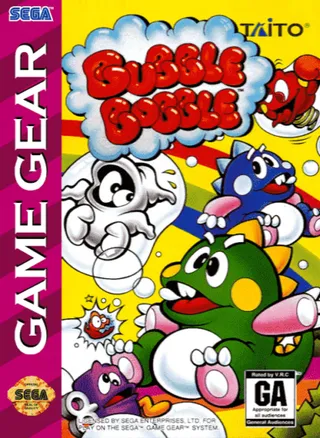
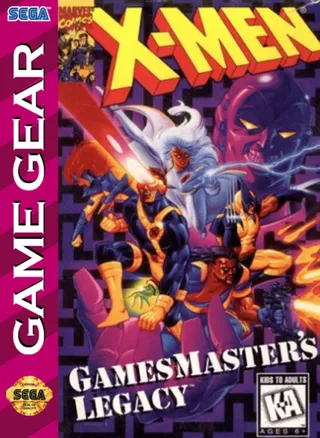
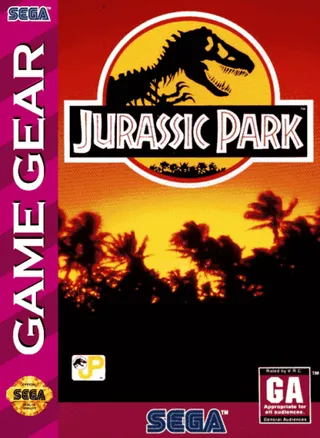
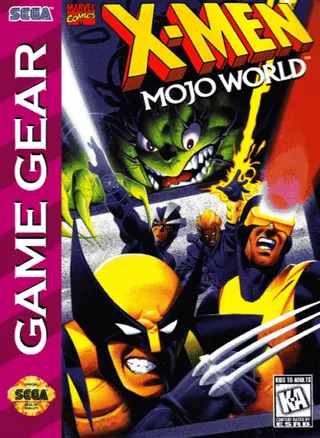
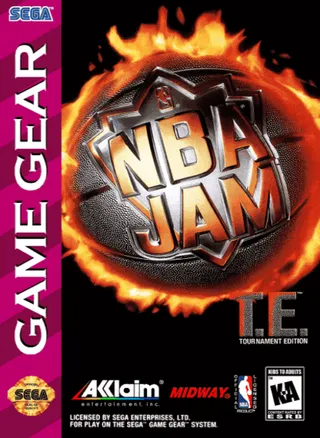
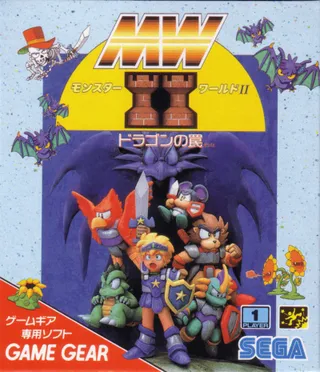
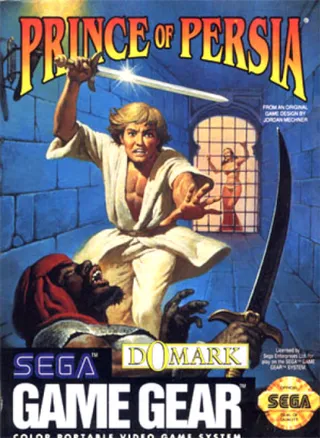
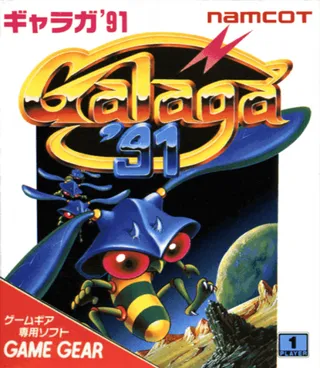
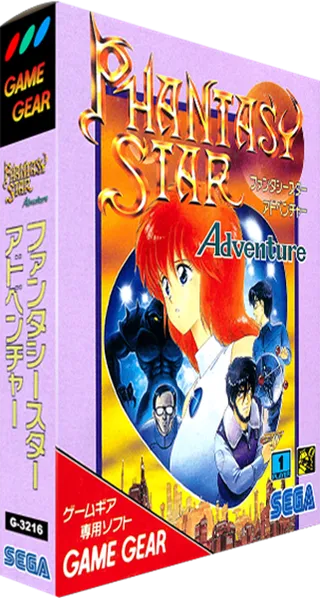
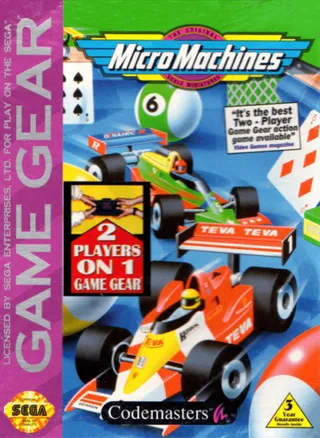


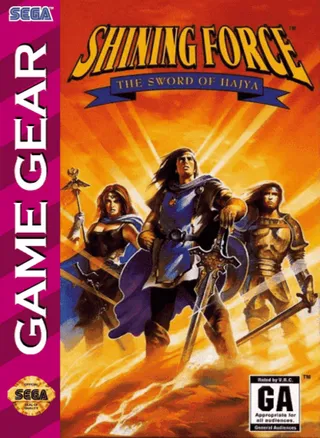
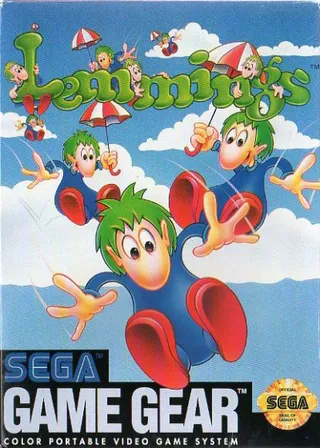
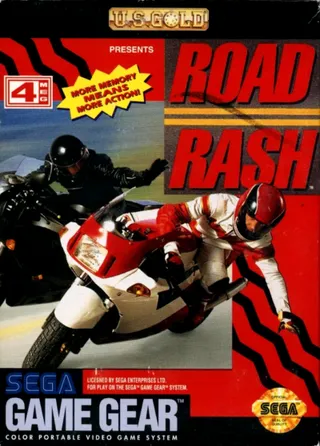
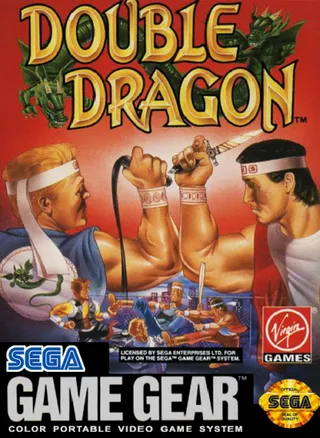
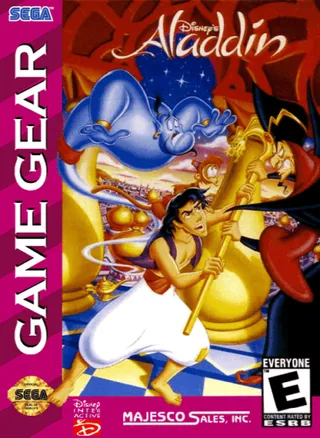
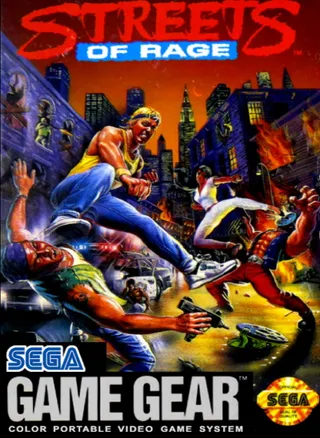
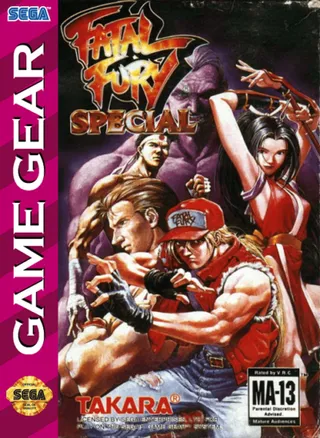
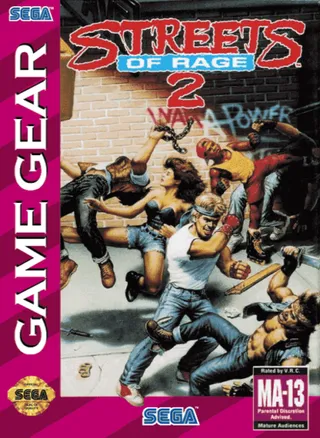
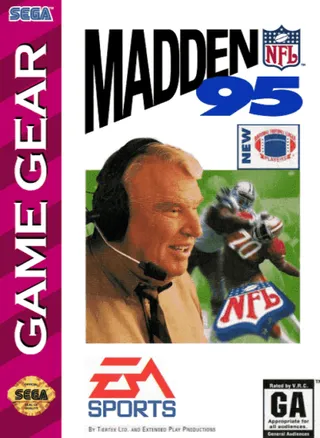
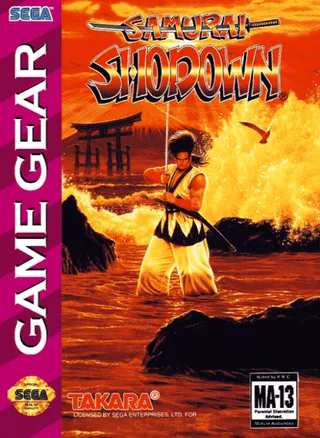
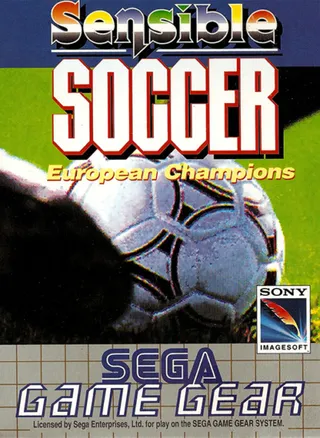
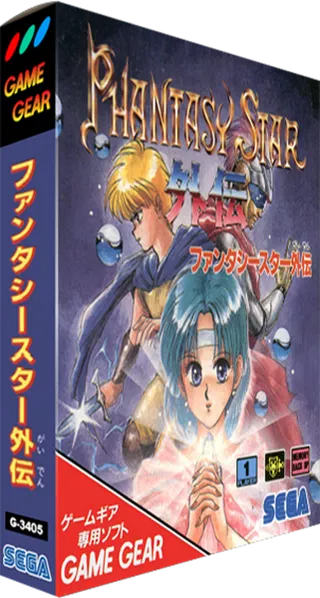

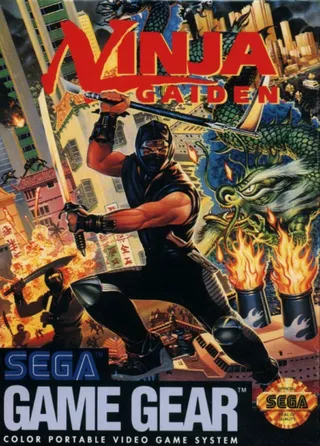
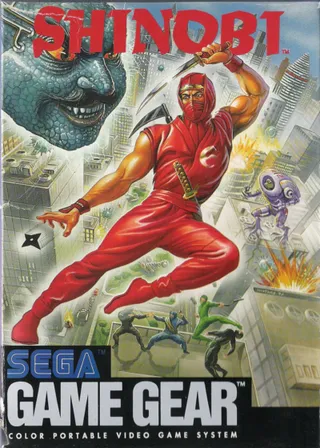
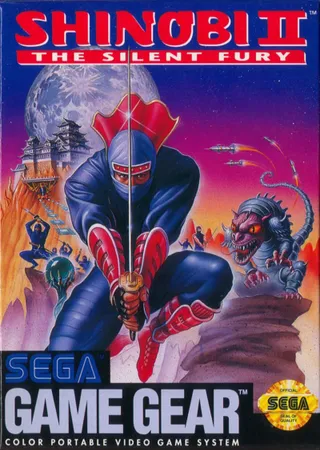
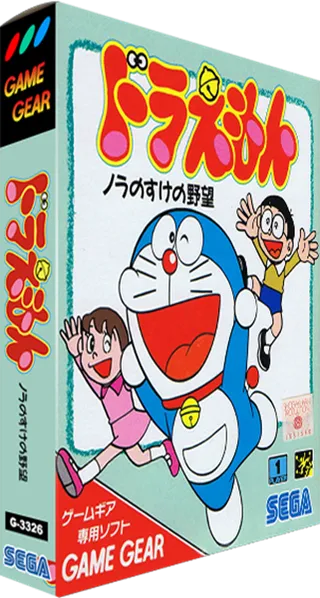
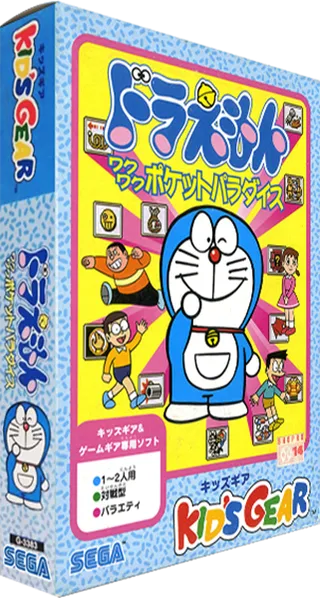
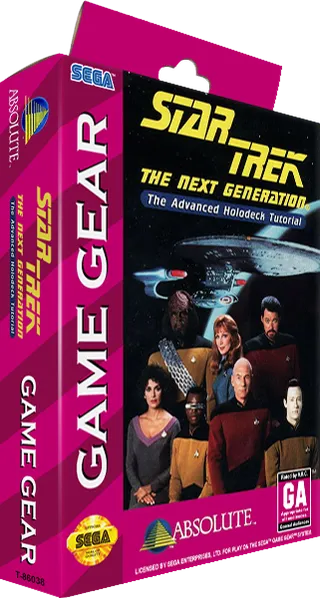

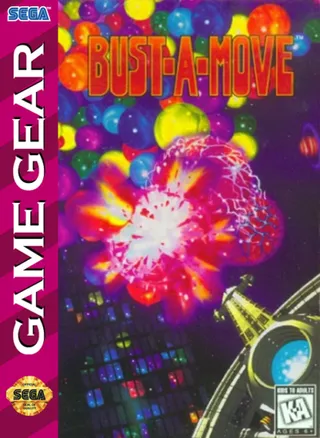
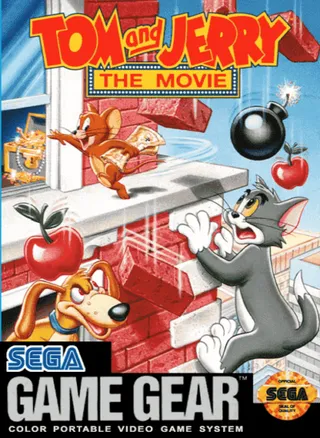
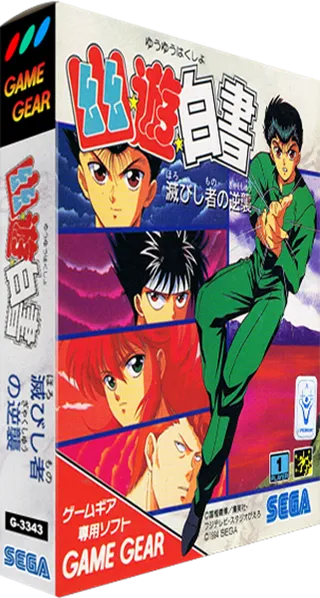

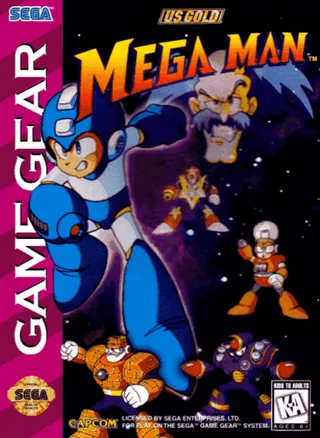
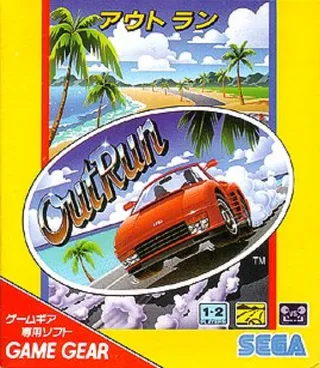

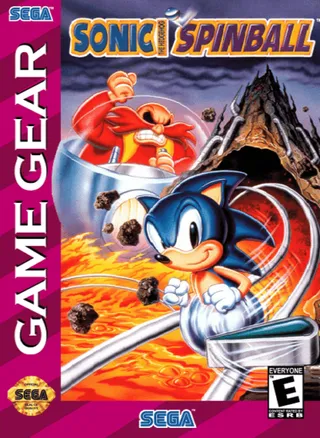
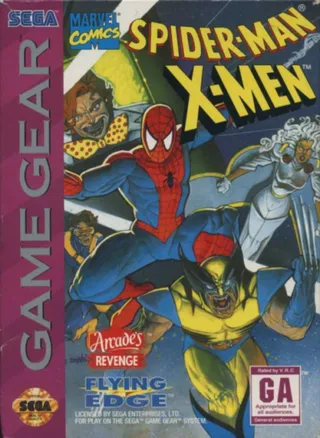
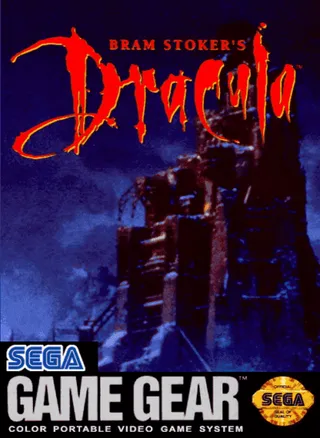
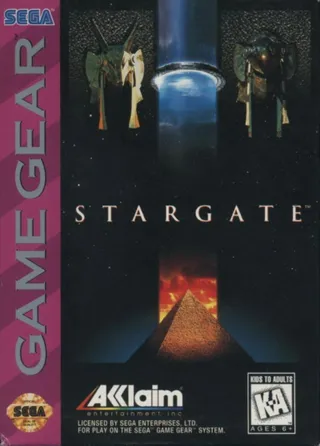
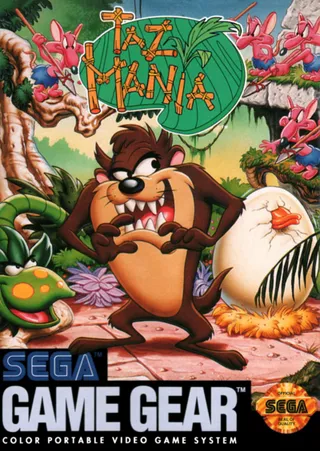
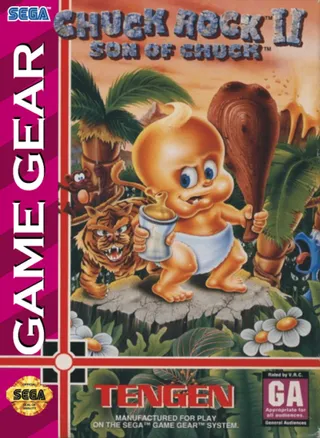
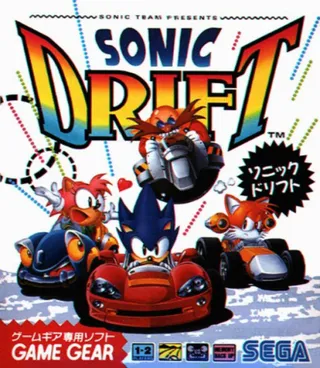

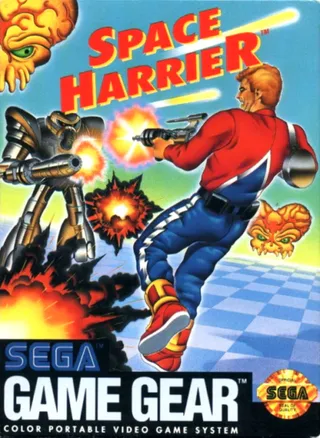
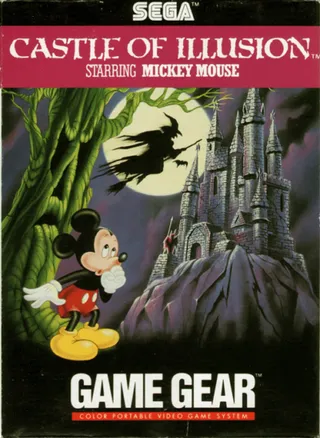
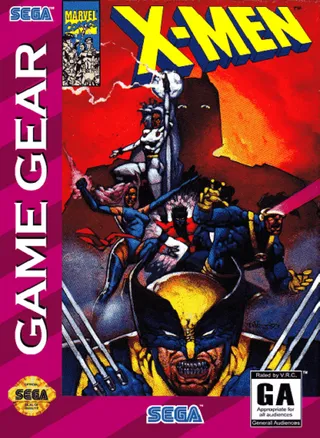
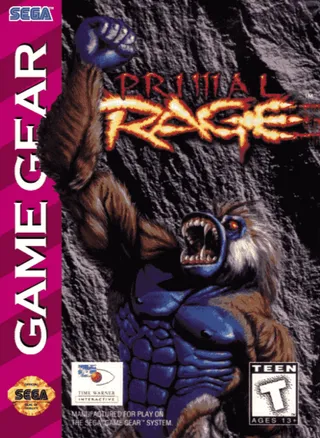
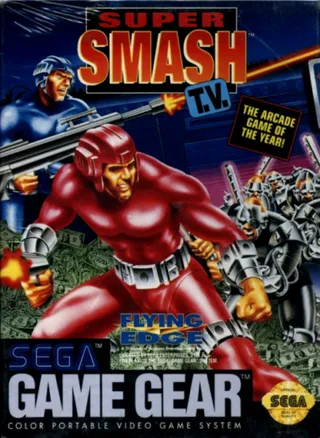
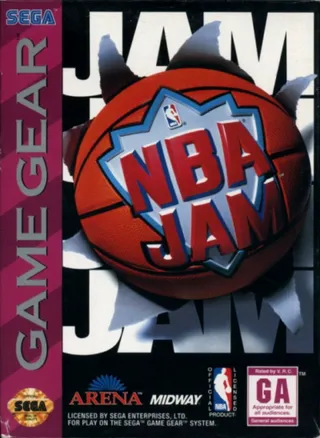
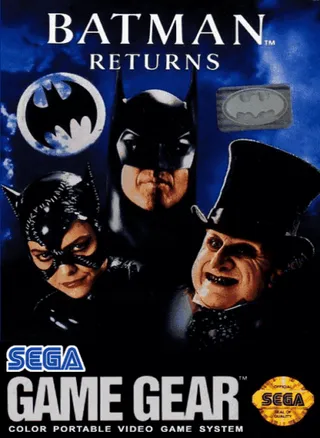
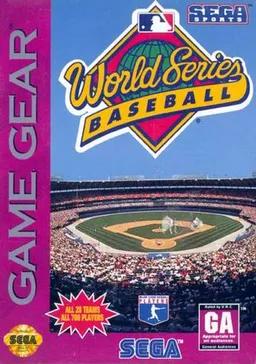
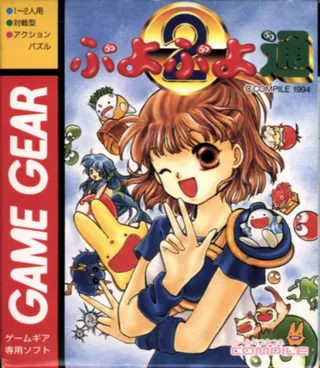


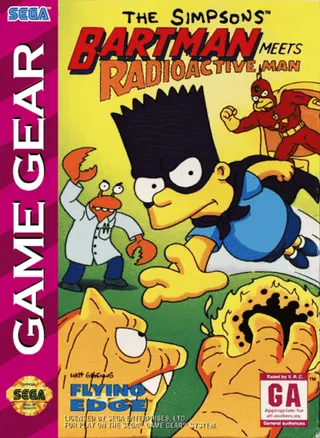
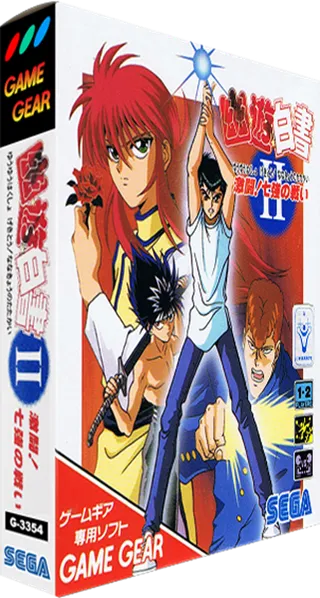
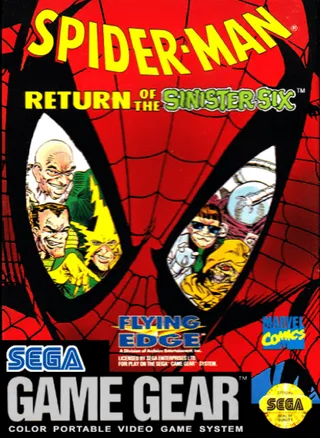

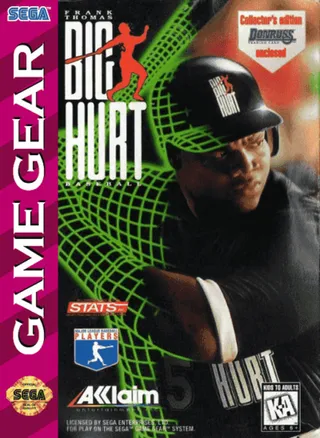
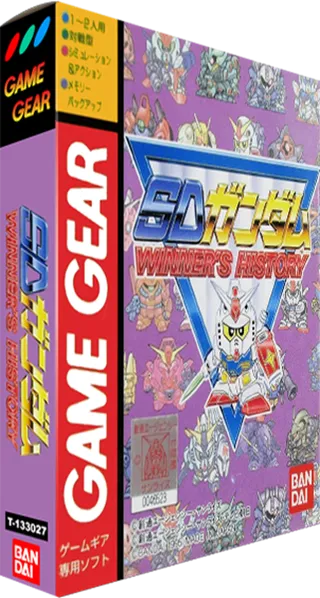
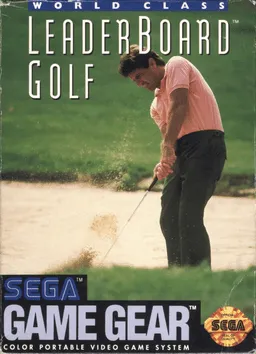

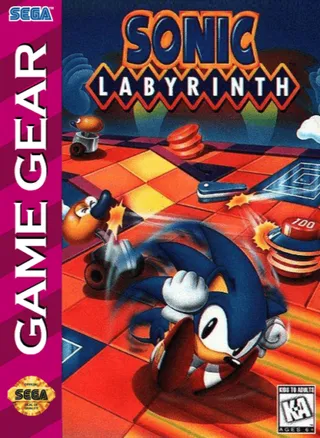
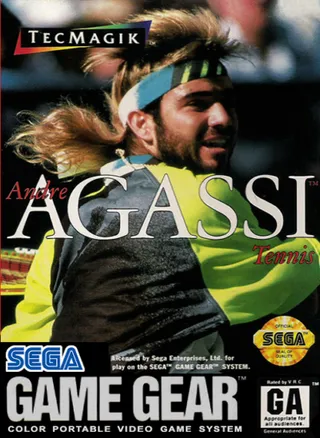
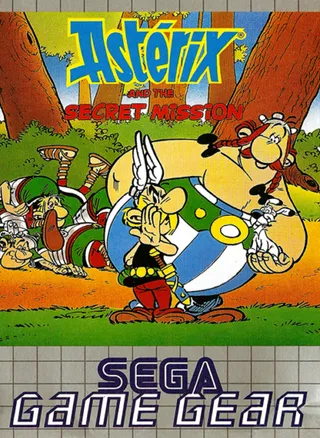
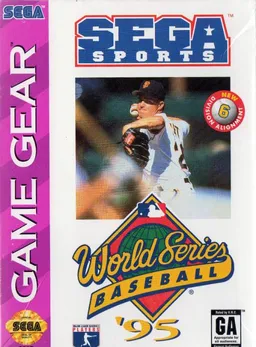
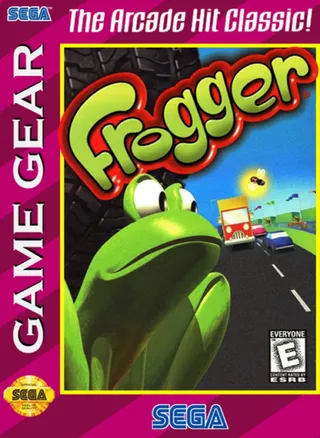
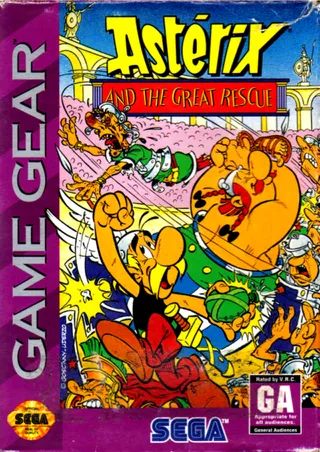
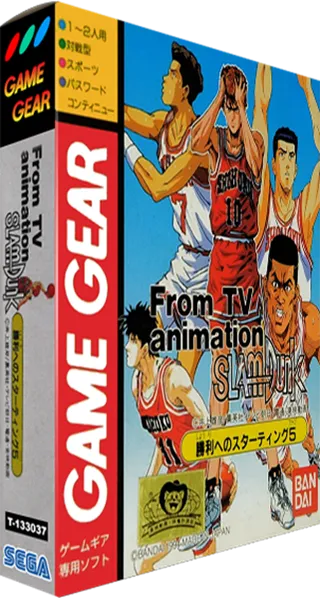
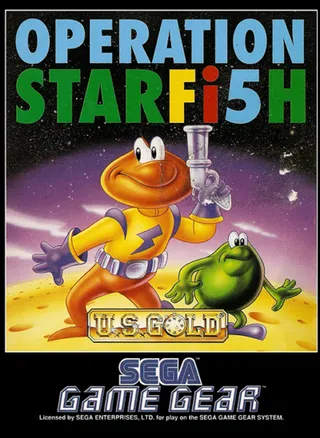
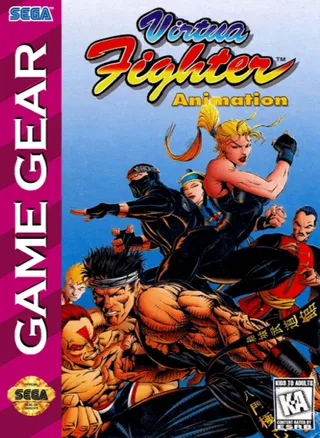
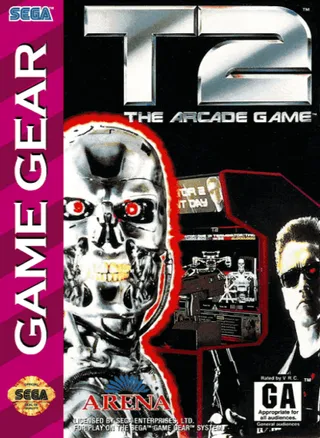
Specifications and history from the sources below (Wikipedia text is available under CC BY-SA 4.0; facts summarized in our own words). Library numbers come from the Back2OldGames catalog.

 Your next idea deserves a home.
Explore hosting