Capcom CPS-3

Also known as CPS-3 · Capcom Play System 3

  • Capcom
  • Arcade system

6 Capcom CPS-3 games, all playable free in your browser.

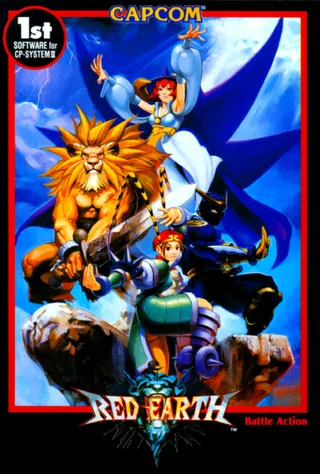
The CP System III (CPS-3) is the last proprietary arcade board designed by Capcom, introduced in 1996 with Red Earth. Unlike its predecessors it is a single board, and each game is supplied on CD-ROM together with a game-specific security cartridge; at power-on the disc contents are copied into Flash ROM SIMMs on the motherboard. Capcom chose CDs to keep the cost of the system down.

First released · Worldwide
1996
Games in the library · all playable
6

TIMELINE

Released in 1996

WW199519961997199819992000
  • WWWorldwide
On sale Games in the library, by release year
Games per release year
CPS-3 games in the library by release year
YearGames
19961
19972
19981
19992
Where the CPS-3 sits in history: first release to discontinuation, next to the other systems in the library
  1. Neo Geo CDNeo Geo CD: Sep 9, 1994 – 1997
  2. 32XSega 32X: Nov 1994 – 1996
  3. PS1PlayStation: Dec 3, 1994 – Mar 23, 2006
  4. N64Nintendo 64: Jun 23, 1996 – 2002
  5. CPS-3Capcom CPS-3: Nov 21, 1996 – end not recorded
  6. NAOMISega NAOMI: 1998 – end not recorded
  7. GBCGame Boy Color: Oct 21, 1998 – Mar 31, 2003
  8. NGPCNeo Geo Pocket Color: Mar 19, 1999 – Oct 30, 2001
  9. PS2PlayStation 2: Mar 4, 2000 – Jan 4, 2013
All 36 systems
  1. Atari 2600Atari 2600: Sep 1977 – 1992
  2. SpectrumZX Spectrum: Apr 23, 1982 – 1992
  3. ColecoColecoVision: Aug 1982 – 1985
  4. Atari 5200Atari 5200: Oct 1982 – May 21, 1984
  5. VectrexVectrex: Oct 1982 – Feb 1984
  6. NESNintendo Entertainment System: Jul 15, 1983 – Sep 25, 2003
  7. SG-1000Sega SG-1000: Jul 15, 1983 – Oct 1985
  8. MSXMSX: Oct 21, 1983 – 1993
  9. Amstrad CPCAmstrad CPC: Jun 21, 1984 – 1990
  10. Master SystemSega Master System: Oct 20, 1985 – 1996
  11. Atari 7800Atari 7800: May 1986 – 1992
  12. X68000Sharp X68000: Mar 28, 1987 – end not recorded
  13. PC EnginePC Engine / TurboGrafx-16: Oct 30, 1987 – Dec 16, 1994
  14. CPS-1Capcom CPS-1: May 13, 1988 – May 11, 1995
  15. GenesisSega Genesis / Mega Drive: Oct 29, 1988 – 1997
  16. PCE CDPC Engine CD / TurboGrafx-CD: Dec 4, 1988 – end not recorded
  17. Game BoyGame Boy: Apr 21, 1989 – Mar 31, 2003
  18. LynxAtari Lynx: Sep 1, 1989 – 1995
  19. Neo GeoNeo Geo: Apr 16, 1990 – 2004
  20. Game GearSega Game Gear: Oct 6, 1990 – Apr 30, 1997
  21. SNESSuper Nintendo: Nov 21, 1990 – Sep 25, 2003
  22. Sega CDSega CD / Mega-CD: Dec 12, 1991 – 1996
  23. CPS-2Capcom CPS-2: Sep 10, 1993 – Dec 22, 2003
  24. Neo Geo CDNeo Geo CD: Sep 9, 1994 – 1997
  25. 32XSega 32X: Nov 1994 – 1996
  26. PS1PlayStation: Dec 3, 1994 – Mar 23, 2006
  27. N64Nintendo 64: Jun 23, 1996 – 2002
  28. CPS-3Capcom CPS-3: Nov 21, 1996 – end not recorded
  29. NAOMISega NAOMI: 1998 – end not recorded
  30. GBCGame Boy Color: Oct 21, 1998 – Mar 31, 2003
  31. NGPCNeo Geo Pocket Color: Mar 19, 1999 – Oct 30, 2001
  32. PS2PlayStation 2: Mar 4, 2000 – Jan 4, 2013
  33. WonderSwanWonderSwan Color: Dec 9, 2000 – 2003
  34. GBAGame Boy Advance: Mar 21, 2001 – 2010
  35. OpenBOROpenBOR: 2004 – today
  36. TIC-80TIC-80: Mar 22, 2017 – today

A bar that fades out means the end date is unknown. Fantasy consoles and game engines are still available.

UNDER THE HOOD

Technical specifications

Graphics

384×224

Resolutions
384×224 · 496×224
Colors on screen
32,768
Palette
32,768 colors
Sprites
1,024
640×480384×224496×224
Drawn to scale
On screen: 32,768 colors · Palette: 32,768 colors

Processor

25MHz

CPU
Hitachi HD6417099
Core
Hitachi SH-2 (SuperH)

Below: CPS-2 16 MHz · Above: NAOMI 200 MHz

The SH-2 with integrated decryption logic sits in the game's security cartridge

Memory

512KB

Main RAM
512 KB
Sprite RAM
512 KB
Character RAM
8 MB
Color RAM
256 KB
SS RAM
32 KB
Flash ROM SIMMs (game storage, max)
128 MB

Below: CPS-1 64 KB · Above: CPS-2 1 MB

Sound

16channels

Chip
Capcom custom

Custom 16-channel 8-bit stereo sample player (replaces QSound)

Media

CD-ROM

THE STORY

About the CPS-3

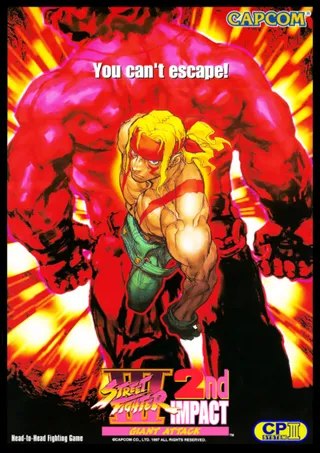
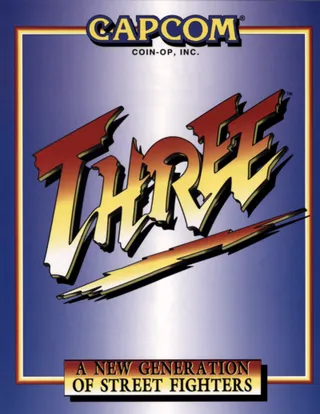
The board is built around a Hitachi SH-2 processor at 25 MHz and adds native sprite scaling, up to 32,768 colors on screen and a custom 16-channel stereo sound chip in place of QSound. Street Fighter III: 2nd Impact was the only game to officially support the 496 × 224 widescreen mode.

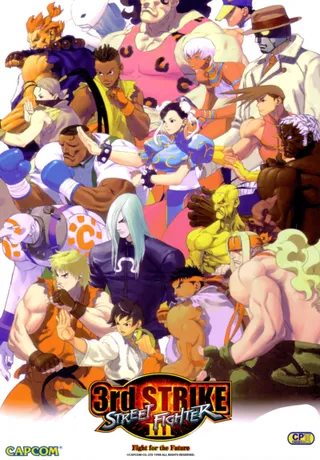
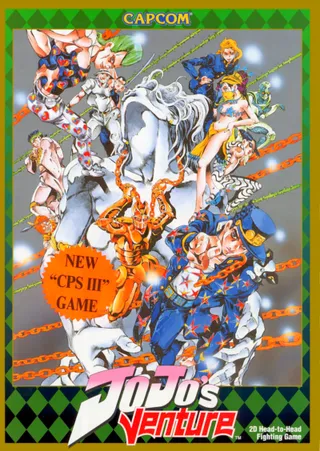
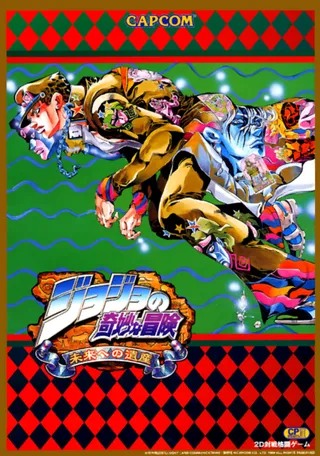
Six fighting games were released for the system, ending with JoJo's Bizarre Adventure: Heritage for the Future in 1999. The security cartridges erase their key if tampered with or when their battery fails; the encryption was reverse-engineered in 2007. Capcom then moved to the Dreamcast-based Naomi platform, and official support for the CPS-3 ended on February 28, 2019.

  • Games ship on CD-ROM plus a security cartridge that contains the BIOS and the SH-2 CPU with decryption logic.
  • Native sprite scaling, used by every game on the system, with up to 1,024 objects.
  • 32,768 colors on screen (15-bit RGB) from a 16.7-million-color palette.
  • Custom 16-channel 8-bit stereo sample player instead of QSound.
  • Street Fighter III: 2nd Impact was the first and only game to officially support widescreen (496 × 224).
  • Only six games were released, all head-to-head fighting games.

THE LIBRARY

6 CPS-3 games on Back2OldGames

6

games, all playable right in your browser

Release years 1996–1999

<p class="lib-span">1 developer</p>

Players

  • 2 players6 100%

6 games with a known number of players.

THE GAMES

The CPS-3 library

Skip filters

Tune your search

Genre

Decade

–

Players

Includes games with a known number of players.

Region

CPS-3 ARCHIVETITLE · CREATOR · PUBLISHER
6 games

A half-remembered title? Start typing. Mix filters to make it yours.

Sources

Specifications and history from the sources below (Wikipedia text is available under CC BY-SA 4.0; facts summarized in our own words). Library numbers come from the Back2OldGames catalog.

  1. CP System III — Wikipedia
Sponsored by our hosting partner Your next idea deserves a home. Explore hosting
Hosting donated to Back2OldGames